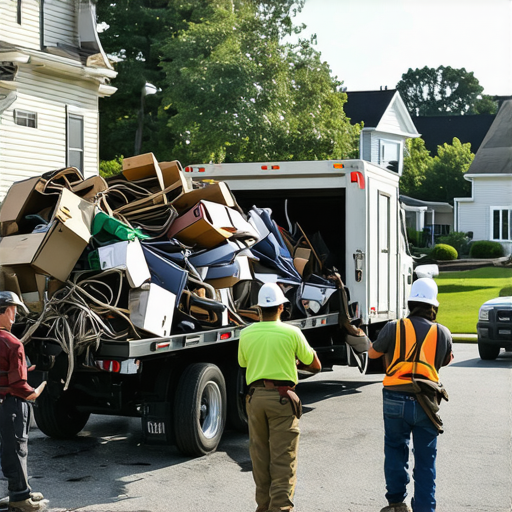
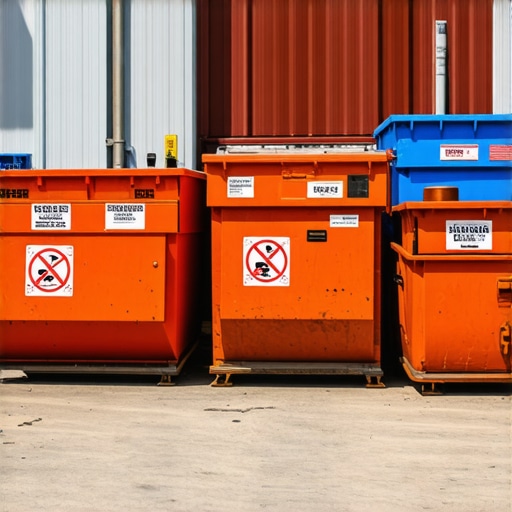
The hazardous surprise in your driveway
Dumpster rentals in Aurora require strict adherence to local disposal laws to prevent fires and environmental fines. Prohibited items like propane tanks, wet paint, and lithium batteries create immediate safety risks for haulers and landfill operators. Knowing these rules ensures your project stays legal and avoids costly surcharge fees.
I smell diesel and hydraulic fluid every morning. It is the scent of a job that requires precision. I watched a rookie almost lose his eyebrows because a customer hid a half-full propane tank inside a pile of harmless yard waste. We do not just lift. We inspect. Every. Single. Item. That propane tank was a kinetic bomb waiting for the pressure of the hydraulic packer. When you hire a roll-off container in Aurora, you are not just renting a box. You are entering a contract with the local ecology and the safety of my crew. Most people see a 20-yard dumpster and think it is a bottomless pit for their secrets. It is not. It is a logistical vessel governed by the Resource Conservation and Recovery Act. One mistake can trigger a hazmat manifest that costs more than your entire clean-out project. The logistics of waste are cold and unforgiving. We calculate the Tetris of the load to maximize space, but a single hidden lead-acid battery can ruin the entire shipment. This is the reality of waste management in the front range. It is about physics, chemistry, and legal liability. Your junk is your responsibility until it hits the scale at the Denver Regional Landfill or the Aurora Transfer Station. If you think a curbside cowboy with a rusted pickup truck is a better deal, wait until the police find your old tax returns in a ditch along I-225. Professionalism has a price, but negligence is far more expensive. The floor of your garage might be bowing under the weight of forty years of neglect, but that does not mean the dumpster can be a graveyard for industrial chemicals. We take our diversion rates seriously. We look for material recovery. We do not want to see your lithium batteries in the general trash because they are a primary cause of landfill fires that burn for months underground.
“Waste is merely a resource in the wrong place; professional removal is the science of putting it back where it belongs.” – Disposal Industry Maxim
The federal line between trash and hazard
Federal regulations under the Resource Conservation and Recovery Act define exactly what constitutes hazardous waste in a roll-off container. Items categorized as corrosive, ignitable, reactive, or toxic are barred from standard Aurora landfills. These include solvents, industrial cleaners, and certain heavy metals that require specialized treatment protocols.
The chemistry of a dumpster is complex. When you mix residential waste with industrial solvents, you create a leachate problem. Leachate is the toxic soup that forms when rain filters through trash. In Aurora, our groundwater is a precious resource. We cannot allow mercury from old thermometers or lead from CRT monitors to enter the soil. Every time a customer tries to sneak a gallon of wet oil paint into a Hoarder Clean Out Aurora project, they risk contaminating tons of recyclable materials. The paint ruptures under the weight of the load. It coats the cardboard. It ruins the wood waste. What could have been diverted to a composting facility or a paper mill becomes toxic sludge. The physics of the load matter. We look for the cubing out of the truck. This means filling every cubic inch of air space. When people toss tires into a bin, they create air pockets. Those tires do not stay buried. In a landfill, tires trap methane gas and float to the surface over time, like ghosts rising from the earth. This is why tires are strictly prohibited in standard roll-off containers. You need a specialized recycler who can shred them for tire-derived fuel or rubberized asphalt. The logistical math of a dumpster is about density and safety. A 15-yard dumpster filled with concrete weighs far more than a 30-yard dumpster filled with old couches. We have to respect the gross vehicle weight ratings of our trucks. If we are overweight, we are a danger on the highway. We are a liability at the scale. The rules are not suggestions. They are the structural walls of the waste industry.
The heavy price of hidden liquids
Liquid waste is strictly forbidden in Aurora dumpsters because it escapes the containment of the truck and creates environmental hazards on public roads. This includes automotive fluids, pesticides, paints, and household cleaners that have not been solidified. Proper disposal requires hazardous waste drop-off sites rather than residential roll-off bins.
If it flows, it stays. That is the rule of thumb. I have seen hydraulic lines snap because a load was too heavy with wet sludge. Liquid waste is a nightmare for a logistics manager. It shifts during transport. It changes the center of gravity of the truck as we navigate the turns on Colfax Avenue. When you are performing an Appliance removal, you must ensure the units are empty. Refrigerators and air conditioners contain Freon. This is a controlled substance. If you vent it into the atmosphere, the EPA can levy fines that exceed thirty-seven thousand dollars. We require proof that a certified technician has recovered the refrigerant before we touch the unit. It is about the BTU potential of the waste and the chemical stability of the load. We are not just hauling trash. We are managing a mobile chemical environment. While many Aurora residents believe that throwing electronics into a dumpster is a minor infraction, the concentrated mercury in a single legacy CRT monitor can contaminate thousands of gallons of groundwater. Furthermore, the carbon cost of processing contaminated clean loads often dwarfs the energy saved by recycling the rest of the bin. This is the contrarian truth of the industry. Sometimes, the most eco-friendly thing you can do is drive that one old TV to a specialized recycling center yourself instead of tainting an entire twenty-yard load of wood and metal. We see the data. We see the diversion rates. We know when a load is compromised. The smell of a leaking battery is unmistakable. It is sharp and acidic. It cuts through the smell of old lumber and drywall. If we detect it, the whole bin is rejected. That means the customer pays for a dry run, a return trip, and a decontamination fee. It is cheaper to be honest.
| Material Category | Prohibited Status | Reason for Exclusion | Correct Disposal Route |
|---|---|---|---|
| Lithium-Ion Batteries | Strictly Prohibited | Thermal Runaway/Fire Risk | E-Waste Center |
| Wet Oil-Based Paint | Strictly Prohibited | Leachate Contamination | Aurora Household Hazmat |
| Propane Tanks | Strictly Prohibited | Explosion Hazard under Pressure | Propane Exchange Sites |
| Tires (Whole) | Strictly Prohibited | Landfill Buoyancy/Methane Traps | Tire Recyclers |
| Asbestos Insulation | Strictly Prohibited | Carcinogenic Airborne Fibers | Abatement Specialists |
The logistical math of a clean Aurora site
Efficiency in junk removal Aurora relies on the volumetric density of the load and the absence of prohibited contaminants. By sorting materials before the dumpster arrives, homeowners can ensure their waste is processed at the lowest possible tipping fee. Clean loads of wood or metal are often cheaper to dispose of than mixed municipal waste.
Every Garage Clean out is a puzzle. I look at a pile of boxes and I see cubic yards. I see the potential for air gaps. If you throw a whole sofa on top of a pile, you are paying to haul Aurora air. You have to break it down. You have to remove the cushions and the frame. The same logic applies to prohibited items. If you hide a car battery under a pile of old clothes, you are gambling with my equipment. Lead-acid batteries contain sulfuric acid. If that battery cracks, it eats through the steel floor of the dumpster. It corrodes the hydraulic rams of the truck. This is why we are obsessed with the manifest. We need to know what is in the box. In the Balkans, the lack of e-waste recycling centers in rural areas means you must seek out specialized private collectors. In Aurora, we have no such excuse. We have the infrastructure. We have the transfer stations. Using a dumpster for prohibited items is a choice of convenience over community safety. The structural load limits of residential stairs during a piano removal are one thing, but the chemical load limits of a landfill are another. We calculate the tipping fees based on the type of waste. Construction and demolition debris has a different rate than household trash. When you mix them, you pay the highest rate. It is simple math. It is logistical reality. We want a clean load. A clean load is a profitable load. A contaminated load is a headache for the dispatcher, the driver, and the landfill operator. We operate on thin margins and heavy weights. We cannot afford mistakes.
“Proper characterization of waste streams is the primary defense against catastrophic landfill fires and long-term soil toxicity.” – Solid Waste Association of North America (SWANA) Safety Bulletin
Items your hauler cannot legally touch
- Sealed drums or barrels with unknown liquid contents
- Industrial Grade Chemicals or concentrated acids
- Medical waste including sharps and biohazard bags
- Radioactive materials from old smoke detectors or medical equipment
- Asbestos-containing materials such as popcorn ceilings or floor tiles
- Automotive fuels such as gasoline, diesel, or kerosene
- Fluorescent light tubes containing mercury vapor
The security of your property and the safety of the environment depend on your honesty regarding these items. Aurora municipal codes are clear about the penalties for illegal dumping and improper disposal of hazardous materials. When in doubt, call the dispatcher and ask. We prefer a five-minute phone call to a five-hour cleanup on the side of the road.
We have seen it all. We have seen people try to hide engine blocks in the middle of a pile of yard waste. We have seen people fill the bottom of a dumpster with concrete and cover it with a layer of light cardboard. Our drivers are trained to feel the weight. They know how the truck reacts when the winch starts to pull. If the front tires of the truck lift off the ground, the load is illegal. Junk Removal Aurora is a science of balance. We balance the weight over the axles. We balance the volume in the bin. We balance the cost against the tipping fees. When a customer respects the prohibited items list, the process is efficient. When they ignore it, the process grinds to a halt. The floor snapped once under a load of wet newspapers in a Hoarder Clean Out Aurora. The weight was immense. Those newspapers had absorbed years of basement humidity, turning into a solid block of cellulose. That load was twice the weight of dry paper. We had to bring in a second truck just to stay within the legal weight limits. This is the zooming reality of waste. Every item has a weight, a volume, and a chemical footprint. We manage all three. Do not be the person who hides a propane tank. Be the person who asks where to take it. We are the stewards of the waste stream. We keep the city clean, one cubic yard at a time. The next time you see a yellow dumpster on a driveway in Aurora, think about the Tetris inside. Think about the chemistry. Think about the logistics of making it all disappear safely.
{“@context”:”https://schema.org”,”@type”:”Article”,”headline”:”Dumpster Rentals Aurora: Avoiding Common Prohibited Items”,”description”:”An expert guide on prohibited items in Aurora dumpster rentals, focusing on safety, legal compliance, and waste management logistics.”,”author”:{“@type”:”Person”,”name”:”Veteran Waste Management Strategist”},”publisher”:{“@type”:”Organization”,”name”:”Aurora Waste Experts”},”mainEntityOfPage”:{“@type”:”WebPage”,”@id”:”https://example.com/dumpster-rentals-aurora-prohibited-items”}}