The dead weight of mid-century sideboards
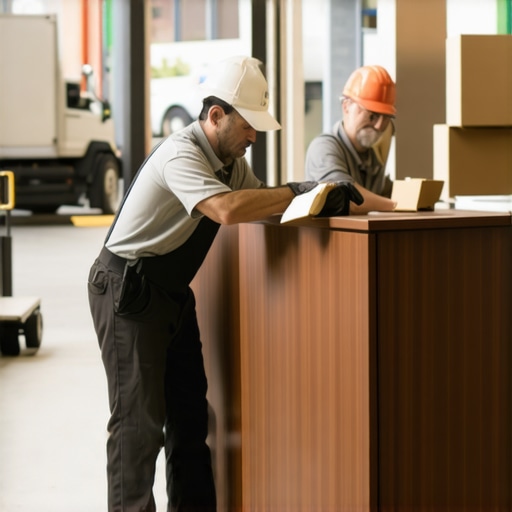
Sideboard removal in Aurora involves managing heavy, solid-wood structures that often exceed two hundred pounds. These pieces require specific mechanical advantage techniques and furniture dollies to move safely from residential basements to the transport vehicle without causing structural damage to the property or injury to the hauling crew. I smell the hydraulic fluid on my gloves as I pull up to an Aurora driveway. A heavy sideboard is a beast. It is not just furniture. It is a mass of three hundred pounds of solid oak or mahogany. It is a logistical problem. I see the way the legs are bolted. I see the potential for a back injury. This is Aurora. We do things by the book here. I look at the piece and calculate the density. A sideboard made of solid oak has a density of about 45 pounds per cubic foot. If the piece is six feet long and three feet high, the weight adds up fast. Most residential stairs in Aurora are not designed for a point load of 400 pounds on a single tread. We calculate the PSI. We look at the path of egress. The wood is dense. The drawers are heavy. The glass inserts are fragile. Each element adds a layer of complexity to the haul. We do not just lift. We strategize. We use moving blankets to protect the hardwood floors. We use shoulder dollies to distribute the weight. The physics of the move are primary. If the center of gravity shifts, the piece falls. If the piece falls, someone gets hurt. The floor snapped once under a lesser crew. We do not let that happen.
The illegal dumping trap
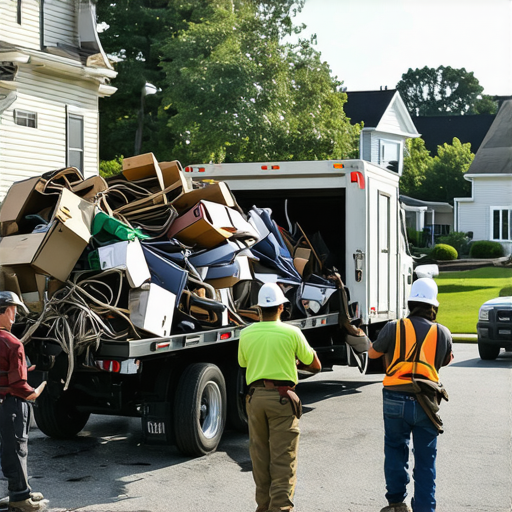
Illegal dumping in Aurora occurs when residents hire unlicensed haulers who abandon items in unauthorized areas to avoid tipping fees at transfer stations. This practice creates significant legal liability for the original owner of the furniture, as discarded items can often be traced back to their source through documents or identifiers. A business owner tried to save 500 dollars by hiring a guy with a pickup truck from a social media ad. Two weeks later, the police called him because his company’s confidential files and old furniture were found in a ditch near a local creek. Your junk is your liability until it hits the scale. I watched this happen. The owner was distraught. He thought he was being efficient. Instead, he was facing thousands in fines and a public relations disaster. This is why we provide a manifest. We track the load. We show the receipt from the Denver Regional Landfill or the local transfer station. We prove the chain of custody. Professionalism is about more than lifting heavy things. It is about legal protection. The curbside cowboys do not care about your reputation. They care about the cash in their pocket and the quickest way to empty their truck bed. They park in alleys. They dump in the dark. They leave the community to clean up their mess. We see the aftermath every day in Aurora. We see the broken sideboards left in vacant lots. It is a waste of material and a stain on the neighborhood.
“Waste is merely a resource in the wrong place; professional removal is the science of putting it back where it belongs.” – Disposal Industry Maxim
Aurora waste regulations and your liability
Municipal waste ordinances in Aurora strictly regulate the disposal of bulky items like sideboards to prevent environmental contamination and manage landfill capacity. Failure to comply with these local codes can result in citations or the refusal of service by municipal waste departments, requiring private intervention. The City of Aurora has specific rules for what can go on the curb. A sideboard is too big for the standard bin. If you leave it there, it sits. It rains. The wood swells. The piece becomes twice as heavy. Then the city sends a notice. We handle the transition from the home to the proper facility. We understand the zoning. We know which days the local transfer stations accept furniture for wood recovery. Some facilities in Aurora focus on material diversion. They want the wood for mulch or biomass. Others see it as MSW, or Municipal Solid Waste. We determine the destination based on the material composition. Is it solid wood? Is it particle board? The answer changes the tipping fee. Particle board is full of adhesives and resins. It has low BTU value and high glue content. Solid wood is a different story. It can be reclaimed. We look for the win-win in every load. We aim for high diversion rates. This reduces the pressure on our local landfills. It is a scientific approach to what most people call trash.
The cubic yard math of truck loading
Calculating the volume of a sideboard in cubic yards is essential for accurate pricing and efficient truck utilization in the junk removal industry. A standard sideboard typically occupies between one and two cubic yards of space, depending on its length and the ability of the crew to stack other items around it. We talk about cubing out the truck. A 15-yard truck has a limited footprint. If I put a sideboard in the middle, I lose space. I have to build a wall. I stack the smaller items on top. I use the drawers for heavy density items like old books or kitchenware. This is the Tetris of waste management. Every inch of air is wasted money. If I haul air, I am losing fuel efficiency. I am increasing the carbon footprint of the trip. I want a dense load. I want the truck to sit right on its springs. We check the axle weight. We do not want to be overweight on the way to the scale. A heavy sideboard at the front of the bed helps with weight distribution. It keeps the steering responsive. We use straps to secure the load. Nothing moves. Nothing shifts. The road from a residential Aurora neighborhood to the landfill can be bumpy. A shifting 300-pound sideboard can tip a trailer if not secured. We do not take chances. We use heavy-duty ratchets. We check them twice.
| Furniture Type | Average Weight (lbs) | Volume (Cubic Yards) | Recovery Rate |
|---|---|---|---|
| Small Sideboard | 150 | 1.2 | 40% |
| Large Buffet | 350 | 2.5 | 15% |
| Particle Board Unit | 80 | 1.0 | 5% |
Local disposal routes in Aurora
Accessing local transfer stations in Aurora requires knowledge of specific gate hours and material restrictions to ensure a quick turnaround for furniture disposal. High-efficiency routes minimize the time spent in transit, allowing for more removals per day and lower overall costs for the customer. We know the shortcuts. We know which roads are under construction near the industrial zones of Aurora. We avoid the school zones during peak hours. Time is fuel. Fuel is money. We plan the route before we start the truck. We look at the traffic patterns on I-225 or E-470. We choose the facility that is closest to the job site unless the tipping fees are prohibitive. Sometimes, it is cheaper to drive five extra miles to a station that charges by the ton rather than the load. We do the math on the fly. We are logistics managers first. We are haulers second. The efficiency of the operation depends on this data. While most people think recycling is always better, the carbon footprint of hauling low-grade plastics 500 miles often exceeds the impact of local, high-efficiency waste-to-energy incineration. We apply this logic to furniture. If the sideboard is ruined, we find the closest high-efficiency disposal point. We do not waste resources chasing a feeling of sustainability if the math does not support it.
The heavy cost of keeping everything
Hoarding heavy furniture like sideboards creates structural stress on residential flooring and increases the risk of mold growth due to restricted airflow against walls. Professional removal mitigates these risks by clearing the footprint and allowing for a thorough inspection of the subfloor and drywall. I once cleared a house where the junk was not just stuff. It was a structural hazard. We found the floor joists were bowing under the weight of 40 years of newspapers and heavy furniture that had absorbed ten years of basement humidity. The sideboard in the corner had practically bonded with the floor. The moisture had wicked up into the wood. The weight was immense. We had to cut the piece into sections just to move it without collapsing the floor. This is the extreme reality. Most Aurora homes are built well, but they have limits. A heavy sideboard against an exterior wall can trap moisture. It creates a micro-climate for mold. When we pull that piece away, we often see the damage. We show the homeowner. We explain the science of it. Removing the furniture is the first step in a larger recovery process for the home. It is about air quality. It is about structural integrity. It is about safety. We are the technicians who start that process.
“Proper identification of hazardous components in household furniture is the first step in municipal solid waste reduction.” – SWANA Technical Manual
Items that stay behind in the truck
Professional junk removal services in Aurora are legally prohibited from transporting hazardous materials that fall under the Resource Conservation and Recovery Act guidelines. These items require specialized handling and disposal at designated hazardous waste facilities to prevent environmental damage. We have a list. We do not budge on it. If we find these items hidden in a sideboard drawer, we stop. We are not a hazmat team. We are heavy loaders. We protect our crew and our equipment. A leaking battery can eat through a truck bed in a week. A propane tank can turn a truck into a bomb. We are diligent. We inspect every drawer of that sideboard before we lift it. We look for the hidden surprises. We once found a collection of old mercury thermometers. That is a spill risk. That is a health hazard. We told the client they had to call a specialist. We do not cut corners. We follow the law because the law protects the environment of Aurora. We live here too. We drink the water. We breathe the air. We want it clean.
- Wet Paint
- Lead-Acid Batteries
- Pressurized Tanks
- Medical Waste
- Fluorescent Ballasts
- Chemical Solvents
The environmental cost of old varnish
Old furniture finishes often contain volatile organic compounds and heavy metals that require careful management during the disposal process. When sideboards are crushed in a landfill, these chemicals can leach into the soil if the facility is not properly lined and managed. We think about the long-term. The varnish on a 1950s sideboard is not just paint. It is a chemical cocktail. It was designed to last forever. It does not break down easily. In the landfill, it is a persistent pollutant. This is why we prefer diversion. If the wood can be chipped and the finish removed, the material enters a new life cycle. If it is buried, it is a liability for the next century. Aurora landfills use modern liners and leachate collection systems, but the goal is always to minimize the volume. We see the sideboard as a volume of potential pollutants. We treat it with respect. We handle it with care. This is the science of the haul. This is the life of a waste management strategist. We see what others ignore. We manage what others throw away. We are the gatekeepers of the waste stream in Aurora.