The brutal reality of estate liquidation
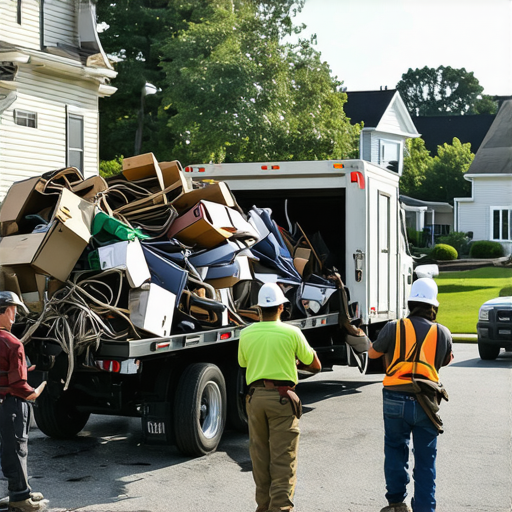
Junk removal Aurora experts know that clearing a deceased relative’s home is a massive logistical operation involving waste management, asset recovery, and environmental compliance. This process requires more than a truck. It demands a strategic diversion plan to handle hazardous materials and heavy furniture removal while adhering to Illinois waste ordinances. I once cleared a house where the junk wasn’t just stuff. It was a structural hazard. We found the floor joists were bowing under the weight of 40 years of newspapers that had absorbed ten years of basement humidity. The stack had reached a density equivalent to wet concrete. We had to shore up the basement with jacks before we could even begin the first load. This is the difference between a professional crew and a guy with a pickup. We calculate the load limit of the structure before we take the first step. Estate properties often hide decades of cumulative mass that can compromise the physical integrity of a residential building. A professional looks at a pile of magazines and sees three tons of combustible cellulose that has become a breeding ground for silverfish and structural rot. We do not just see a mess. We see a weight distribution problem that requires a hydraulic solution. Every cubic yard of material we pull from an Aurora estate represents a decision about recycling, donation, or landfilling. We analyze the moisture content of the debris because wet waste costs more at the scale. If you do not understand the physics of compaction, you are losing money on every load.
The math of the fifteen yard dump truck
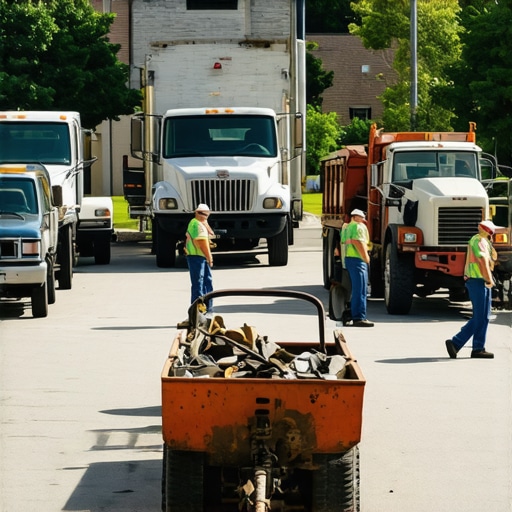
Dumpster rentals Aurora and full service crews rely on the cubic yard as the primary unit of measurement for waste density and pricing. Understanding how to cube out a truck means maximizing every inch of available volume while staying under GVWR weight limits for local roads. A standard 15-yard container can hold approximately four to five pickup truck loads, but that assumes the operator knows how to nest items. If you throw chairs in haphazardly, you are paying to haul Aurora air. We break down every piece of furniture. We remove the legs from tables. We stack mattresses vertically to act as dividers. It is a game of high stakes Tetris where the loser pays extra tipping fees. The average estate in the Fox Valley area generates between 45 and 120 cubic yards of debris. That is not a weekend project. That is a multi-day logistical campaign involving heavy machinery and precision labor. When we talk about volume, we are also talking about the physical energy required to move that volume. A single dresser made of solid oak in the 1940s can weigh 300 pounds. Multiply that by forty rooms of furniture and you realize why estate clearing is a specialized trade.
| Material Type | Average Weight per Cubic Yard | Disposal Method |
|---|---|---|
| Loose Household Trash | 250 – 300 lbs | Landfill |
| Construction Debris | 400 – 600 lbs | Transfer Station |
| Wet Yard Waste | 600 – 800 lbs | Composting Facility |
| Concrete or Brick | 2000 – 3000 lbs | Recycling Center |
“Waste is merely a resource in the wrong place; professional removal is the science of putting it back where it belongs.” – Disposal Industry Maxim
The hazardous shadows in the basement
Hoarder clean out Aurora projects frequently uncover biohazards, chemical waste, and lithium batteries that require specialized handling under RCRA regulations. Identifying these toxic materials early prevents landfill rejection and environmental fines. Many homeowners do not realize that the old cans of paint thinner or the crates of vintage cleaning supplies in the garage are technically hazardous waste. If we find a leaking lead-acid battery, we do not just toss it in the bin. We neutralize the area and use secondary containment. The liability of illegal disposal stays with the property owner until the waste is properly manifested. This is why we document every hazardous item we encounter. We see the stuff people try to hide. We find the old mercury thermometers and the canisters of banned pesticides from the 1970s. These items can contaminate an entire load of recyclable metal if they are not separated. Our crews are trained to spot the characteristic smell of a leaking capacitor in an old television. We know the difference between a harmless pile of dust and friable asbestos. If you ignore these details, you are not just clearing a house; you are creating a localized ecological disaster.
Why your cheap hauler is a legal time bomb
Junk removal is a regulated industry where unlicensed operators often dump illegal loads in rural Aurora to avoid tipping fees. If your hauler lacks liability insurance or workers compensation, you are legally responsible for property damage or worker injuries. I have seen fly-by-night operations drop a refrigerator down a flight of stairs, smashing the drywall and the banister, only to vanish when the bill for repairs arrives. They operate in the shadows. They do not pay the $70 to $100 per ton gate fee at the local transfer station. Instead, they dump your personal records and your old furniture in a ditch off a back road. When the police find your name on a piece of mail in that pile, you are the one who gets the citation. Professionalism is about the chain of custody. We provide a receipt. We show you where the waste went. We carry the insurance that protects your estate from the massive costs of a workplace accident. Moving a cast iron tub requires specific rigging and heavy-duty straps. If a worker without insurance blows out his back on your property, your homeowners insurance might not cover it because you hired an unlicensed contractor.
The hidden anatomy of appliance removal
Appliance removal involves the recovery of refrigerants and the recycling of heavy metals to prevent atmospheric damage. Modern EPA standards dictate that CFCs and HCFCs must be captured by certified technicians before a unit is scrapped. An old freezer in an Aurora basement is not just a piece of metal. It is a pressurized vessel containing chemicals that have a global warming potential thousands of times higher than carbon dioxide. We do not just cut the lines. We use recovery pumps to pull the gas into cylinders for reclamation. Then we deal with the insulation. Older units use foam that contains ozone-depleting substances. The compressor itself contains high-grade copper and oil that must be separated. When we haul an appliance, we are performing a surgical extraction of materials. We also have to consider the weight. A commercial grade stove can weigh half a ton. Moving that across a finished hardwood floor without leaving a scratch requires specialized floor protection and air-sled technology. We do not just drag things. We float them.
Items your hauler cannot legally touch
- Propane tanks and pressurized cylinders
- Ammunition and explosive materials
- Infectious medical waste or used needles
- Gasoline and liquid fuels
- Radioactive materials like old smoke detectors
- Unidentified chemical drums
The ghost in the garage
Garage clean outs often reveal the forgotten history of a property maintenance cycle that has failed over time. These spaces become catch-all zones for e-waste, old tires, and obsolete machinery that require different disposal streams. A garage is usually the most dense area of an estate. You have the weight of the automotive parts mixed with the volume of the holiday decorations. Tires are a particular problem in Illinois. You cannot just throw them in a landfill. They trap methane gas and float to the surface, breaking the landfill liner. We have to take them to a dedicated shredding facility. Then there is the e-waste. Old cathode-ray tube monitors contain several pounds of lead. If they break in a standard trash truck, that lead enters the environment. We palletize electronics and send them to R2 certified recyclers. This ensures that the gold, silver, and palladium are recovered and the toxins are contained. The garage is also where we find the most pests. We deal with wasps, spiders, and the occasional rodent nest. Our crews wear Level 2 PPE when clearing neglected garages to avoid hantavirus and other respiratory threats.
“The goal of modern waste management is the total elimination of the concept of waste through hyper-local material recovery.” – Solid Waste Association of North America
The heavy cost of keeping everything
Hoarder clean out aurora services are expensive because they require high-intensity labor, personal protective equipment, and increased disposal volume. A standard house might have three tons of debris, but a hoarding site can easily reach thirty tons. The pressure on the floor joists is immense. We have to clear paths just to assess the safety of the rooms. This is not just a cleaning job. It is a recovery mission. We often work alongside mental health professionals to ensure the process is handled with the necessary tact, but from a logistics standpoint, it is a nightmare. The sheer variety of materials means we cannot just bulk load the truck. We have to sort on-site to keep the disposal costs manageable. If we mix high-value scrap metal with low-value trash, the customer pays more. We salvage what we can to offset the tipping fees. The floor snapped in one house we worked on because the owner had stacked boxes of ceramic tile from floor to ceiling in a room designed for a bedroom load. We had to use a chainsaw to cut through layers of matted paper and clothes. It is a slow, methodical process that requires patience and heavy-duty gear.
The structural load limits of residential stairs
Furniture removal in Aurora estate properties often involves navigating narrow staircases with oversized items that exceed residential load ratings. When you move a 400-pound armoire down a set of stairs built in the 1920s, you are testing the structural integrity of that wood. We use specialized techniques to distribute the weight. We don’t just carry; we use slides and leverage. We calculate the turn radius of every landing. If an item will not fit, we disassemble it. We do not force things. Forcing things leads to broken walls and injured workers. We also have to be mindful of the weather. In Aurora, a wet day means slippery wooden stairs. We use grip tape and floor runners to ensure we don’t lose our footing. A single slip with a heavy appliance can be fatal. We use a three-point contact rule on stairs whenever possible. We are not just movers. We are industrial technicians working in a residential environment.