The hidden dangers of rogue microwave disposal in Aurora
I have spent twenty five years watching trucks pull onto the scale at the transfer station. I know the sound a hydraulic press makes when it hits a rogue appliance. My life is measured in cubic yards and the precise density of a packed load. I smell like diesel and hydraulic fluid most days. I have seen every mistake a homeowner can make. I watched a rookie almost lose his eyebrows because a customer hid a half full propane tank inside a pile of harmless yard waste. We do not just lift. We inspect. Every. Single. Item. When it comes to microwaves, the danger is hidden deep inside the metal casing. It is not just a box that heats your soup. It is a high voltage machine that retains a lethal charge long after the plug is pulled. In the Aurora waste management circuit, we see these units tossed into general trash bins every day. This is a logistical failure and an environmental crime. You are not just throwing away a kitchen tool. You are discarding a capacitor that can kill a technician and a magnetron that contains toxic materials. Junk Removal Aurora requires a level of precision that most curb side cowboys simply do not possess. They want the fast cash. I want the load to be safe and the diversion rate to be high.
The lethal capacitor trap
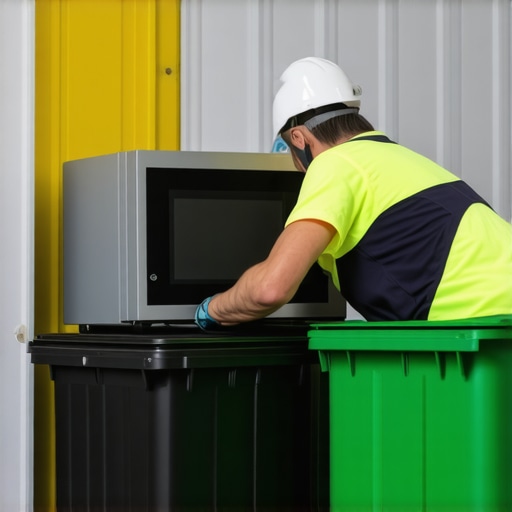
Microwave ovens contain a high voltage capacitor that stores electricity even when the unit has been unplugged for weeks or months. Professional Appliance removal experts know that touching the wrong lead inside the chassis can deliver a shock of several thousand volts. This is why we never recommend that a resident attempt to dismantle a unit in their garage. The capacitor is designed to kick start the magnetron. If that energy is discharged into a human body, the results are catastrophic. We train our crews to handle these units as live equipment until they reach a certified demanufacturing facility. Most people in Aurora assume that the local trash collector will handle it. They might. Or they might leave it on the curb with a orange sticker because it violates the municipal hazardous waste protocols. When we perform Garage Clean outs, we often find three or four of these units stacked in a corner. They are heavy. They are awkward. They are dangerous. The leaded glass in the door and the copper windings in the transformer represent valuable materials that should be recovered, but only by those who understand the physics of the machine.
“Waste is merely a resource in the wrong place; professional removal is the science of putting it back where it belongs.” – Disposal Industry Maxim
Aurora waste stream logistics
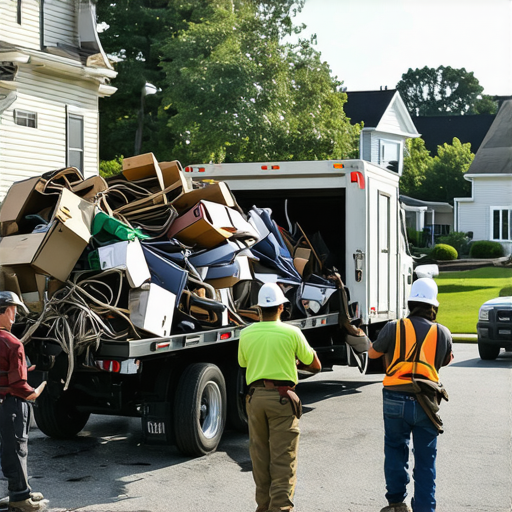
Disposing of appliances in Aurora requires a deep understanding of the Denver Arapahoe Disposal Site and local transfer station regulations regarding electronic waste. Colorado state law prohibits most electronics from entering the landfill. This includes microwaves. If you hire a low cost hauler who dumps your old microwave in a ditch or a standard dumpster, you are liable. Your junk is your liability until it hits the scale and is signed off by a technician. We track the manifest of every load. We ensure that the scrap metal is separated from the electronic components. This is what we call the tetris of the load. We want zero air space in the truck. We want the highest density possible to minimize the carbon footprint of the trip to the transfer station. A fifteen yard dumpster should be packed with the heavy items on the bottom and the lighter debris filling the gaps. Microwaves are often the perfect gap fillers, but only if they are secured so the glass does not shatter. Broken leaded glass is a nightmare to clean and a hazard for the sorting staff at the recovery facility.
The physics of the fifteen yard dumpster
A standard fifteen yard dumpster can hold approximately four to five pickup truck loads of debris if the loader understands volumetric density. Most people waste forty percent of their dumpster space because they throw items in haphazardly. When we handle Dumpster Rentals Aurora, we teach the science of the pack. You start with the flat items. Old doors. Plywood. Then you move to the heavy appliances. Appliance removal happens at the base of the load. This keeps the center of gravity low for the roll off truck. A microwave should never be tossed on top of a pile. It will slide. It will break. It will create a hazard during transport. We look at the load as a structural puzzle. If the puzzle is solved correctly, the tipping fee is optimized and the materials are easily sorted. If you are doing a Hoarder Clean Out aurora, the complexity triples. You are dealing with layers of compressed material that have often absorbed moisture. Moisture adds weight. Weight costs money. A dry microwave weighs about thirty five pounds. A microwave that has been sitting in a damp basement for a decade can weigh fifty pounds once the internal insulation absorbs the humidity.
| Material Type | Aurora Disposal Method | Environmental Impact |
|---|---|---|
| Microwave Magnetron | Electronic Waste Facility | High Hazard |
| Steel Casing | Scrap Metal Yard | Recyclable |
| Leaded Glass Door | Hazardous Glass Recovery | Toxic in Landfills |
| Copper Wiring | Non Ferrous Metal Recycling | High Value |
The heavy cost of keeping everything
Hoarder Clean Out aurora projects reveal the psychological and physical burden of accumulated appliances that no longer serve a purpose. I have walked into homes where the kitchen floor was bowing under the weight of three refrigerators and a dozen small appliances. This is a structural hazard. The floor joists are not designed for that kind of dead load. When we remove these items, we have to calculate the path of least resistance. We look at the stair treads. We look at the door widths. Sometimes we have to remove the door frames just to get a modern fridge out. The old microwaves from the nineteen eighties are even worse. They are built like tanks and weigh twice as much as modern units. They are full of high grade copper and heavy steel. We treat these as a win for the diversion rate, but a challenge for the crew’s backs. Every lift is a tactical maneuver. We use shoulder dollies. We use ramps. We do not use brute force when a brain will do the job better.
Hazardous materials that halt the haul
Professional haulers must identify prohibited items before they ever touch the truck bed to avoid massive fines and safety risks. The Resource Conservation and Recovery Act sets strict guidelines on what can be transported. We are not just movers. We are inspectors. Below is a list of what we cannot legally take in a standard load without specialized permits.
- Propane tanks and pressurized cylinders
- Leaded acid batteries from vehicles or backup power units
- Liquid paint and volatile organic compounds
- Asbestos containing insulation found in old appliance wraps
- Biohazardous waste or medical sharps
- Industrial grade solvents and degreasers
“Proper management of electronic waste prevents toxic heavy metals from leaching into our local groundwater and protects the integrity of the soil.” – Solid Waste Association Guidelines
The science of recycling electronic components
Recycling a microwave involves the mechanical separation of ferrous metals, non ferrous metals, and the hazardous isolation of the capacitor and magnetron. The magnetron contains ceramic insulators that often contain beryllium oxide. This is a material you do not want to crush or inhale. When we take these units to an Aurora recycling partner, they are not just crushed. They are disassembled. The copper is stripped. The steel is shredded. The circuit boards are sent to a refinery to recover gold, silver, and palladium. This is the backdoor logistics of disposal. Most people think recycling is a simple bin. It is actually a global supply chain of material recovery. While most people think recycling is always better, the carbon footprint of hauling low grade plastics five hundred miles often exceeds the impact of local, high efficiency waste to energy incineration. We choose the path that makes the most sense for the Aurora environment. We do not ship our problems overseas. We solve them at the scale.
Why your curbside pick up fails
Municipal waste services often lack the specialized equipment and labor to handle bulk appliance removal safely and efficiently. If you put a microwave in your brown bin, the automated arm of the truck will crush it. The capacitor will pop. The glass will shatter. Now you have contaminated an entire load of potentially recyclable paper and plastic. This is the frustration of the industry. People want the easy way out. The easy way is often the most destructive. Professional Junk Removal Aurora services ensure that the items are hand loaded. We keep the electronics separate from the general debris. We ensure that the furniture removal process does not involve smashing the items into a million pieces. We preserve the integrity of the materials so they can actually be reused. If you have a garage full of junk, do not call the city. Call someone who knows how to pack a truck. Call someone who knows the difference between a high voltage hazard and a piece of scrap metal. Your safety and your legal liability depend on it.