The hazardous surprise of improper cooling disposal
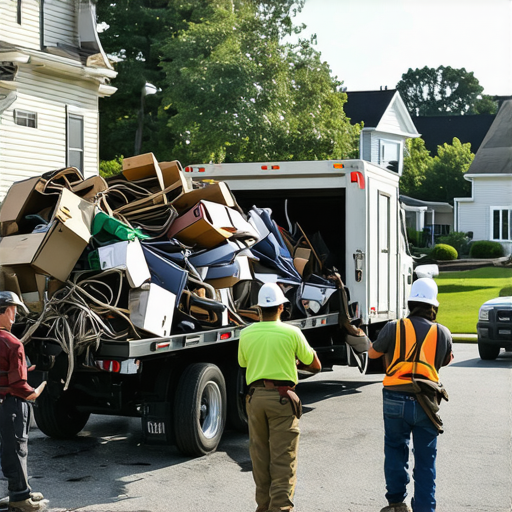
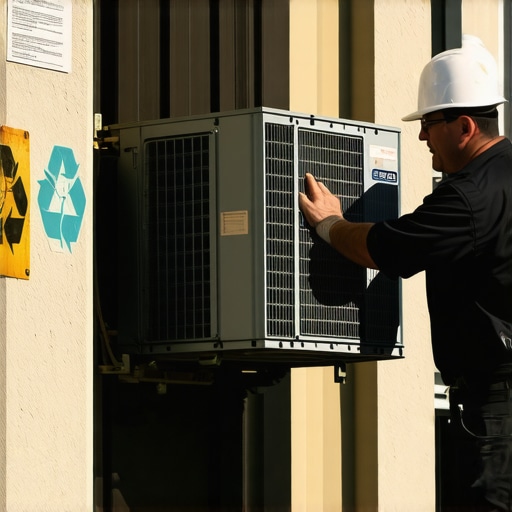
I watched a rookie almost lose his eyebrows because a customer hid a half-full propane tank inside a pile of harmless yard waste. We do not just lift. We inspect. Every. Single. Item. This rule is absolute when dealing with appliance removal in Aurora. I have seen the damage that an unregulated junk hauler can do when they treat an old air conditioner like a piece of scrap wood. They cut the lines. The refrigerant hisses into the atmosphere. The EPA fine for that single mistake can reach tens of thousands of dollars. We operate with a different standard. Every AC unit is a pressurized chemical container that requires a logistical strategy. The weight of an old window unit is deceptive. It is not just the 80 pounds of steel and copper. It is the shifting center of gravity. It is the razor-sharp fins of the condenser. It is the heavy compressor sitting at the back like a lead weight. You do not just pull these out of a wall. You extract them with precision. If you do not understand the physics of the load, you are going to put a hole in the drywall or a gash in your shin. Experience is the only thing that prevents a garage clean out from becoming a medical emergency. When we back a 15-yard truck into a driveway in Aurora, we are already calculating the cube. We look at the appliance and see its volume, its weight, and its hazardous profile. This is the science of disposal.
The cooling chemicals that kill a landfill
The proper disposal of air conditioning units in Aurora requires strict adherence to EPA Section 608 regulations because of the hazardous refrigerants contained within the coils. These substances, such as R-22 or R-410A, cannot be vented into the atmosphere legally or ethically. When an AC unit is discarded improperly, these gases escape. They contribute to ozone depletion and global warming at a rate thousands of times higher than carbon dioxide. Our process involves identifying the refrigerant type on the manufacturer plate. We then coordinate with certified technicians who use vacuum recovery systems to extract the gas into pressurized cylinders. Only then can the metal be processed as scrap. This is why a cheap hauler is a risk. If they do not ask about the refrigerant, they are likely dumping the unit in a ditch or a field. In Aurora, the penalties for illegal dumping are severe. Your junk is your liability until it hits the scale at a licensed transfer station. We provide the paper trail that proves the unit was handled by the book.
“Waste is merely a resource in the wrong place; professional removal is the science of putting it back where it belongs.” – Disposal Industry Maxim
The physics of a safe appliance extraction
The physical demands of furniture removal and appliance hauling in Aurora necessitate the use of mechanical advantage tools like leverage straps and heavy-duty dollies. Moving a refrigerator or a central air unit is a lesson in torque. You have to understand how to pivot the weight on a single point without cracking the floor tile. We use floor runners. We use corner guards. Most homeowners try to manhandle these items and end up with a blown-out lower back or a ruined staircase. The structural load limits of residential stairs are often tested during a hoarder clean out. When you have years of accumulated mass, the floor joists begin to bow. Adding the weight of two men and a 200-pound appliance can be the breaking point. We check the integrity of the path before the first lift occurs. This is the difference between a veteran crew and a couple of guys with a pickup truck. We assess the egress. We measure the clearances. We execute the move with the same focus as a tactical operation. The hydraulic lift on the back of the truck is our best friend. It saves the crew’s joints and ensures the appliance is loaded without slamming into the bed.
Why your cheap hauler is a legal time bomb
Hiring an unlicensed junk removal service in Aurora exposes property owners to significant legal and financial risks if materials are dumped illegally. A business owner tried to save 500 dollars by hiring a guy with a pickup truck from a social media ad. Two weeks later, the police called him because his company’s confidential files and old equipment were found in a ditch. This happens more often than you think. In the waste management industry, tipping fees are the largest overhead. A legitimate company pays these fees at the landfill or transfer station. A curbside cowboy avoids them by dumping on the side of a road. When the authorities find identifying information in the trash, the original owner is the one who gets the summons. We provide a manifest of disposal. We show you exactly where the waste went. Whether it is a garage clean out or a full estate clearance, the chain of custody must be maintained. This is how you protect yourself from the RCRA regulations that govern solid waste disposal.
The strategic math of dumpster rentals in Aurora
Selecting the right size for dumpster rentals in Aurora depends on the density of the material and the volumetric capacity of the container. A 10-yard dumpster is perfect for heavy debris like concrete or roofing shingles. A 40-yard container is meant for light, bulky items like furniture or office chairs. If you put concrete in a 40-yard bin, the truck will not be able to lift it. The hydraulic system will fail. The scale at the landfill will reject it. We help clients calculate the cubic-yard density of their project. We look at the pile and see the air space. Our goal is to minimize the air and maximize the weight within legal limits. This is what we call cubing out the truck. We stack items like a game of Tetris. The heavy items go on the bottom. The lighter items fill the gaps. This prevents the load from shifting during transport through the streets of Aurora. A shifting load is a dangerous load.
| Material Type | Decomposition Time | Toxicity Level | Recovery Potential |
|---|---|---|---|
| HVAC Copper | Indefinite | Low | High (95%) |
| R-22 Refrigerant | 15 years in air | Critical | Moderate |
| Appliance Steel | 50-100 years | Low | High (100%) |
| Furniture Wood | 10-20 years | Low | Low (Energy) |
Items your hauler cannot legally touch
There are specific hazardous materials that professional junk removal services are prohibited from transporting under federal and state environmental laws. We must be transparent about these limits to ensure safety. If we find these items during a hoarder clean out, we provide guidance on how to contact the local hazardous waste facility in Aurora. We cannot mix these with general debris. The chemical reactions that occur in the back of a garbage truck can be lethal. A crushed battery can start a fire that consumes the entire vehicle in minutes.
- Unlabeled chemical drums
- Lead-acid batteries with cracked casings
- Propane tanks with active valves
- Biological waste or medical sharps
- Ammunition or explosive powders
- Asbestos-containing insulation materials
“Proper waste management is the first line of defense against environmental degradation in our growing urban centers.” – SWANA Technical Report
The reality of the metal recovery cycle
Recycling an air conditioner is a complex process that involves the separation of ferrous and non-ferrous metals after the hazardous fluids are removed. The copper coils are the high-value components. The steel housing is shredded and melted down. The aluminum fins are processed separately. This is why professional appliance removal is often more efficient than municipal pickup. We ensure that these materials enter the circular economy instead of taking up space in a landfill. The carbon footprint of mining new copper is massive compared to the energy required to melt down an old coil. While some people think recycling is always better, the carbon footprint of hauling low-grade plastics 500 miles often exceeds the impact of local, high-efficiency waste-to-energy incineration. We focus on the high-impact materials. We prioritize the metals. We ensure that the hazardous components are neutralized. This is the veteran’s approach to junk removal in Aurora. It is about more than just clearing space. It is about managing the tail end of the product lifecycle with technical expertise and logistical precision.