
The physical weight of a life lived
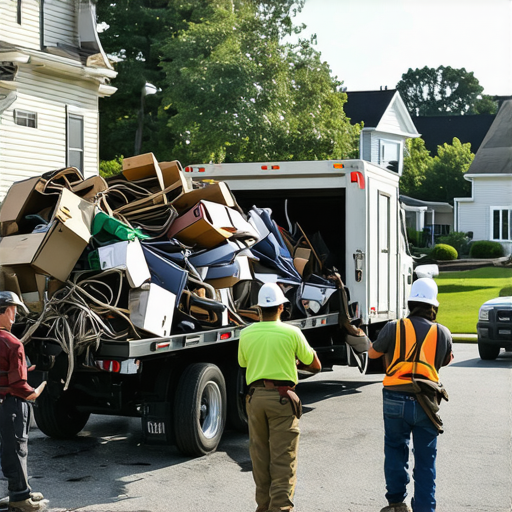
Hoarder clean out Aurora projects in 2026 require a systematic approach that begins with a physical safety assessment and a logistical volume calculation. Success depends on securing appropriate dumpster rentals Aurora permits and coordinating with specialized teams who understand the structural risks of high-density hoards. I once cleared a house where the junk wasn’t just stuff. It was a structural hazard. We found the floor joists were bowing under the weight of 40 years of newspapers that had absorbed ten years of basement humidity. The moisture had turned the paper into a solid block of cellulose, weighing nearly 60 pounds per cubic foot. In Aurora, where humidity spikes can wreck a foundation, this isn’t just a cleaning job. It is a salvage operation. The hydraulic lift on our 15-yard truck groaned as we loaded the first three cubic yards. That is the reality of waste. It is heavy. It is unforgiving. It is a logistical puzzle where the pieces are often rotting or contaminated. You cannot just call a guy with a van. You need a strategist who knows the difference between gross weight and volumetric density.
Why your curbside hauler won’t touch the problem
Aurora municipal waste services are restricted by weight limits and material classifications that specifically exclude large-scale junk removal or hazardous hoarding materials. Professional junk removal Aurora services must be utilized to handle the volume and the complexity of items that exceed the standard 96-gallon cart capacity. The local municipal trucks are designed for residential flow, not residential dam breaks. When a hoard reaches the stage of structural interference, the local ordinances in Kane County and DuPage County trigger specific environmental protocols. You are looking at a liability situation. If a curbside cowboy dumps your materials in a ditch off Route 25 to avoid the tipping fees, your name is on the mail found in that pile. The scale of the cleanup determines the strategy. We analyze the angle of repose in a junk pile to ensure my crew doesn’t get buried. We look at the load-bearing capacity of the stairs. If you are moving a 1950s cast iron radiator during an appliance removal, you are dealing with 300 pounds of dead weight. That requires specialized dollies and a knowledge of center-of-gravity physics. One slip and you are replacing a floor or a kneecap.
“Waste is merely a resource in the wrong place; professional removal is the science of putting it back where it belongs.” – Disposal Industry Maxim
The hidden chemistry of a basement hoard
Basement clean outs in Aurora often uncover hazardous materials like lead-acid batteries, old solvents, and mercury-containing thermostats that require specialized disposal manifests under the Resource Conservation and Recovery Act. Identifying these chemicals early prevents environmental contamination and ensures compliance with the 2026 Illinois Waste Diversion mandates. When organic matter sits in a dark, damp Aurora basement for a decade, it undergoes a chemical transformation. It isn’t just dust. It is a biohazard. We see the growth of mold spores that can cause respiratory distress within minutes. We see the degradation of plastic containers that leak BPA and phthalates into the surrounding debris. This is why we don’t just throw things in a bag. We inspect every layer. A single half-full propane tank hidden in a pile of garage clean outs can turn a hydraulic compactor into a bomb. We have seen it happen. The pressure of the ram hits the tank, the valve shears, and you have a fireball in the middle of a residential neighborhood. We avoid that through microscopic attention to detail. We treat every hoard as a potential hazmat site until proven otherwise.
| Material Category | Weight Density (lbs/cu yd) | 2026 Disposal Strategy |
|---|---|---|
| Mixed Household Debris | 250-300 | Transfer Station Landfill |
| Old Growth Furniture | 400-600 | Wood Waste Recovery |
| Modern MDF Furniture | 150-200 | Waste-to-Energy Incineration |
| Major Appliances | Varies | Scrap Metal Reclamation |
| E-Waste | 350+ | Certified Component Recycling |
The mathematical approach to cubic yard density
Effective junk removal Aurora relies on the tetris-like optimization of truck space to minimize trips and maximize the efficiency of every cubic yard loaded. By calculating the void ratio of the items, professionals can reduce the total cost of the haul and ensure proper weight distribution. Most people see a garage full of stuff. I see 45 cubic yards of material with a 40 percent void ratio. My job is to get that void ratio down to 10 percent. We break down furniture removal items to their base components. We stack the bulkhead with heavy, flat items like tabletops and old appliances. We use the soft goods, the bags of clothes, and the old linens to fill the gaps. This prevents the load from shifting during transit. A shifting load is a dangerous load. If I have to slam the brakes on Orchard Road, I don’t want five tons of junk sliding toward the cab. We also factor in the BTU potential. While many think recycling is the only ethical path, the carbon footprint of hauling low-grade plastics 500 miles often exceeds the impact of local, high-efficiency waste-to-energy incineration. We make these calls based on the data, not the optics.
- Lead-acid car batteries and leaking alkaline cells.
- Pressurized cylinders including propane and oxygen tanks.
- Industrial grade solvents and unlabeled chemical drums.
- Biohazardous waste or medical sharps without proper containment.
- Explosives, including old marine flares and ammunition.
Specific Aurora disposal regulations for 2026
The 2026 Aurora waste ordinances mandate that all large-scale clean outs must divert at least 30 percent of non-hazardous materials away from landfills through certified recycling or donation channels. Failure to provide a diversion manifest can result in significant fines for both the property owner and the hauling company. These new rules changed the game for dumpster rentals Aurora. You can no longer just throw a 20-yard container in the driveway and fill it with everything. You need a plan for segregation at the source. We bring multiple containers or use a partitioned truck. We separate the scrap metal from the furniture removal debris. We separate the electronic waste from the general garage clean outs. This isn’t just about the law. It is about the economics of the scale. Tipping fees at the local transfer station have skyrocketed. If I bring a clean load of scrap metal, I might get paid. If I bring a contaminated load of mixed trash, I pay $75 a ton. We pass those savings, or those costs, directly to the logic of the job. Precision matters. The scale doesn’t lie.
“The mismanagement of solid waste is a failure of logistics that creates a legacy of environmental debt for future generations.” – Solid Waste Association of North America (SWANA)
Furniture removal and the death of particle board
Modern furniture removal in Aurora focuses on the efficient breakdown of engineered wood products which, unlike solid timber, cannot be easily reclaimed and must be processed through specific industrial shredders. Distinguishing between mahogany and MDF is the first step in determining the environmental path of the material. Old furniture was built to last. It was built with joinery. Modern furniture is built with glue and sawdust. When we handle a hoarder clean out aurora, we often find that the modern pieces have lost their structural integrity due to the weight of the hoard or the humidity of the environment. They crumble. They release formaldehyde gas. We have to treat these items with care, not because they are valuable, but because they are toxic when pulverized. We look for the makers’ marks. If it is solid oak, we set it aside for a second life. If it is particle board from a flat-pack box, it goes to the shredder. This is the industrial reality of waste management. We are the filters of the material world. We decide what is worth the energy of restoration and what is destined for the furnace.