The logistical nightmare of a neglected workshop
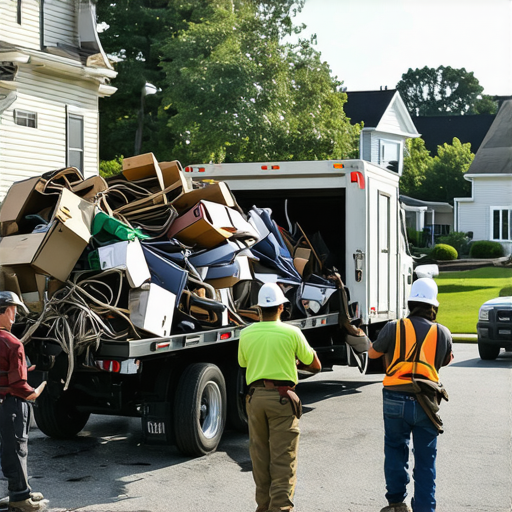
Garage clean outs in Aurora represent a complex physical and legal puzzle. I have seen the fallout of poor planning. A business owner tried to save 500 dollars by hiring a guy with a pickup truck from a social media ad. Two weeks later, the police called him because his company’s confidential files were found in a ditch. Your junk is your liability until it hits the scale. This reality governs every move we make in the waste industry. When you stare at a mountain of rusted wrenches, old drill presses, and tangled extension cords, you are looking at potential environmental fines and logistical errors. The 2026 standards for waste diversion in Kane County are stricter than ever. We do not just toss items. We categorize. We weigh. We maximize every square inch of the 15 yard dump box. Wasted air is wasted money. The smell of diesel and hydraulic fluid is the scent of a job done with precision. Every tool has a secondary life, either as scrap metal or a refurbished asset. If it sits in your garage, it is stagnant capital. If it sits in a ditch, it is a crime.
The tool sort requires a three-tier system
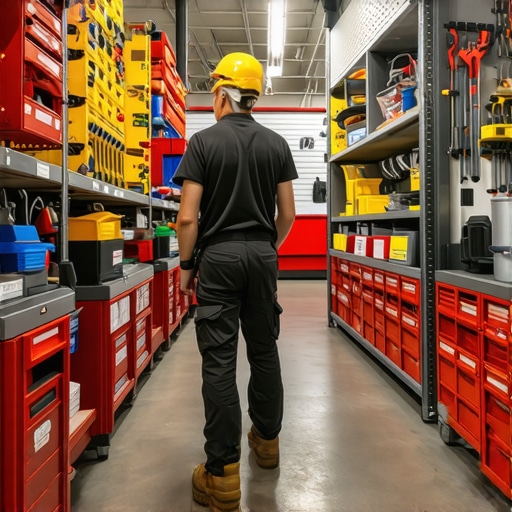
Garage clean outs in Aurora demand a rigorous classification of materials to ensure compliance with the latest Illinois waste mandates. You must separate high-density metals from composite plastics. Junk removal is not a mindless activity. It is the science of material recovery. Start with the heavy hitters. Cast iron table saws and steel tool chests have high scrap value. These go in the bottom of the truck to lower the center of gravity. Hand tools follow. A wrench is a simple tool, but a bucket of 500 wrenches is a heavy-weight logistics problem. We look for the junk removal Aurora specialists who understand that weight-based tipping fees at the Orchard Road transfer station can eat your profit margins if you do not sort properly. If you are opting for dumpster rentals Aurora, you must ensure the weight limit is not exceeded by dense metal items. A 20-yard dumpster filled with steel tools will exceed the hoist capacity of most roll-off trucks. Balance the load. Use old shop rags to fill gaps. This prevents shifting during transport along Route 59. Space is a commodity. We treat it like gold.
Hazardous materials hiding in plain sight
Appliance removal and tool disposal often involve hidden toxins that the EPA monitors closely. Many DIY mechanics in Aurora keep old jugs of used motor oil, brake fluid, and lead-acid batteries in their garages. These are not general waste. You cannot hide these in a hoarder clean out aurora project without risking a fire. I once saw a truck bed ignite because a crushed lithium-ion battery from a cordless drill met a wet pile of sawdust. The reaction was immediate. The heat was intense. We inspect every pile. We look for the tell-tale signs of chemical leaks. Furniture removal often involves cleaning out drawers. People hide things. Old ammunition. Spent flares. Half-full spray paint cans. These items require a specialized hazmat manifest. The Resource Conservation and Recovery Act (RCRA) dictates how these items move through Illinois. You are responsible for the lifecycle of your waste. If you hire a curbside cowboy, you are gambling with federal law. Professional haulers know the local ordinances better than anyone. We know which stations take paint and which ones only take dry scrap.
“Waste is merely a resource in the wrong place; professional removal is the science of putting it back where it belongs.” – Disposal Industry Maxim
The Aurora disposal ecosystem in 2026
Junk removal Aurora operations are shaped by the specific geography of the Fox River Valley. The density of suburban housing combined with the industrial history of the region creates a unique waste profile. When we perform a garage clean out, we are often dealing with decades of accumulated industrial grade equipment. The 2026 regulations focus on carbon footprints. Hauling a half-empty truck is an ecological failure. We utilize load-leveling sensors and volumetric scanning to ensure the 15-yard truck is cubed out. This means every cubic inch of space is occupied by material. We stack tool boxes with the precision of a jeweler. Heavy items on the axle. Light items on top. We avoid the West Aurora traffic during peak hours to save on fuel. It is about efficiency. It is about the math. Tipping fees at the local landfill are calculated by the ton, but your cost is often by the yard. If you do not pack the truck correctly, you are paying to haul air. Air does not belong in a landfill. Air belongs in the atmosphere. We focus on the density of the load to keep your costs down.
Items your hauler cannot legally touch
Sorting tools involves recognizing the limits of standard junk removal services. Certain items are prohibited by state and local laws. You need to know these before the truck arrives at your Aurora driveway. We cannot take containers that are sealed and pressurized. We cannot take items containing friable asbestos. We cannot take liquid waste of any kind. Use this checklist to prep your garage for a professional crew.
- Unspent propane tanks and oxygen cylinders
- Containers of wet oil-based paint or solvents
- Large quantities of loose household chemicals
- Explosives or active ammunition found in old toolboxes
- Biological waste or medical sharps
- Tires that have not been de-rimmed (subject to local tire tax)
The mathematics of truck space
Understanding the volume of your tool collection is the first step in a successful garage clean out. A standard 15-yard truck can hold the equivalent of about six pickup truck loads. However, tools are denser than furniture. While a couch might weigh 150 pounds and take up 2 cubic yards, a pallet of old engine parts might weigh 1,000 pounds and take up the same space. This is the density problem. In 2026, Aurora haulers are shifting toward weight-plus-volume pricing to account for the wear and tear on hydraulic systems. If your floor joists are bowing under the weight of your collection, our truck will feel it too. We calculate the structural load limits of every lift. We use heavy-duty ramps. We use steel-toe boots and back braces. The physics of moving a 500-pound anvil out of a basement workshop requires more than just muscle. It requires mechanical advantage. We use pulleys. We use dollies with pneumatic tires. We respect the gravity of the situation.
| Material Type | Decomposition Time | Tipping Fee Impact |
|---|---|---|
| Untreated Wood Scraps | 13 years | Low Cost Disposal |
| Plastic Tool Cases | 450 years | Moderate Cost Disposal |
| Steel Hand Tools | 100 years | High Value Scrap Credit |
| Lithium Ion Batteries | Never | Hazmat Surcharge Required |
“The management of solid waste must prioritize the reduction of volume at the source to preserve landfill capacity for non-recyclable residuals.” – Solid Waste Association of North America (SWANA)
The heavy cost of keeping everything
Psychologically, a hoarder clean out aurora is the most difficult task. People attach memories to tools. They remember the birdhouse they built with a father or the first car they fixed. But a tool that is not used is just a hunk of oxidizing metal. Rust is a chemical reaction that consumes the value of your property. In Aurora, the humidity from the Fox River can accelerate tool rot in unheated garages. By the time you decide to clear the space, the tools may no longer be functional. They have become junk. This is the transition from asset to liability. We help you make that transition quickly. We do not linger. We move with the speed of a logistics firm because every minute the truck sits idling, money is burning. We clear the floor. We sweep the dust. We leave you with a concrete slab that is ready for a car or a new hobby. The clarity of an empty garage is worth more than a box of broken screwdrivers. Trust the process. Trust the experts who know how to handle the load. We are the masters of the heavy lift. We are the architects of the clean space.