
The structural weight of memory
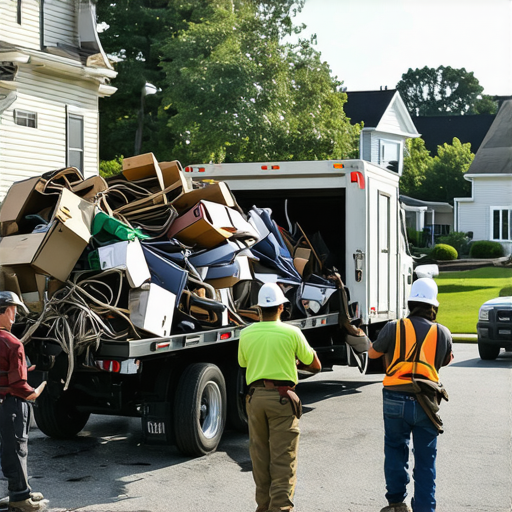
Residential junk removal Aurora requires a deep understanding of load-bearing limits and the physics of material degradation over time. When you clear an attic, you are not just moving boxes. You are managing a logistical environment that has likely settled into a dangerous equilibrium of weight and dust. I once cleared a house where the junk wasn’t just stuff. It was a structural hazard. We found the floor joists were bowing under the weight of 40 years of newspapers that had absorbed ten years of basement humidity. The paper had turned into a solid, damp block of cellulose. It weighed three times what it should have. We had to shore up the ceiling below before we could even begin the extraction. This is the difference between a professional crew and a couple of kids with a truck. We see the physics of the house. We see the potential for a floor collapse before the first box is lifted.
The hidden physics of attic volume
Calculating the volume of an attic clean out involves measuring more than just the square footage of the floor. You must account for the pitch of the roof and the compression of the insulation. Most homeowners in Aurora overestimate how much they can fit into a standard pickup truck. A 15 yard dump box is often the minimum requirement for a standard three bedroom attic. This is because junk is rarely uniform. It is jagged. It creates air pockets. We call this the fluff factor. If you do not know how to cube out a truck, you are paying to haul Aurora air. We break down every piece of furniture. We flat pack every box. We ensure that the density of the load matches the maximum payload of the hydraulic system. This maximizes your value and reduces the number of trips to the transfer station.
“Waste is merely a resource in the wrong place; professional removal is the science of putting it back where it belongs.” – Disposal Industry Maxim
Aurora municipal codes and the dumpster permit trap
Securing a dumpster rental Aurora involves navigating specific city ordinances regarding placement and duration. If you place a bin on a public street without a permit, the fines can exceed the cost of the entire removal project. In certain Aurora neighborhoods, the narrow street widths make standard drop-offs impossible. This is where live loading becomes the only viable strategy. We bring the truck. We keep the engine running. We load the material in under two hours. This avoids the permit fee. It avoids the neighbor complaints. It keeps the project moving. Local knowledge of the Denver Arapahoe Disposal Site or the nearest transfer station on Tower Road is mandatory for efficient logistics. We know the peak hours. We know the tipping fees. We know which gates are faster for commercial loads.
The heavy cost of keeping everything
Hoarder clean out Aurora projects are not just about cleaning; they are about hazardous material identification and site stabilization. Under the Resource Conservation and Recovery Act, certain household items cannot simply be tossed into a landfill. We look for the ghosts in the garage. Old paint cans. Lead acid batteries. Propane tanks hidden in corners. These are the items that start fires in the back of a truck. The friction of the load can ignite a forgotten lithium battery. This is why we inspect every pile. The chemistry of waste is as important as the weight. We categorize every item. We separate the scrap metal from the general municipal solid waste. This increases our diversion rate and lowers your total cost.
| Material Type | Weight Per Cubic Yard | Decomposition Time | Recycle Potential |
|---|---|---|---|
| Loose Cardboard | 100 lbs | 2 months | 95% |
| Old Furniture | 150 lbs | 20 years | 30% |
| Appliance Steel | 400 lbs | 100 years | 100% |
| Wet Attic Insulation | 600 lbs | 50 years | 0% |
The science of appliance removal and refrigerant recovery
Safe appliance removal requires certified handling of ozone depleting substances and heavy lifting mechanics. You cannot just throw a refrigerator into a ditch. Federal law requires the recovery of Freon and other refrigerants. We use specialized dollies with stair climbing tracks to move these units. A standard chest freezer can weigh 200 pounds before you even account for the frost buildup. If you pull your back trying to move an old fridge, you are looking at thousands in medical bills. Our teams use leverage and mechanical advantage. We treat your home like a high tech warehouse. We protect the floors with ram board. We protect the walls with moving blankets. Every exit is a tactical maneuver.
- Lithium ion batteries and power tool packs
- Wet paint or open chemical containers
- Propane tanks and pressurized cylinders
- Biohazardous materials or medical waste
- Asbestos containing materials like old floor tiles
The environmental math of local incineration
While most people think recycling is always better, the carbon footprint of hauling low grade plastics 500 miles often exceeds the impact of local high efficiency waste to energy incineration. This is a contrarian truth of the waste industry. We look at the total life cycle of the junk. If a piece of furniture is made of cheap particle board and glue, it has no structural value. It cannot be donated. It cannot be recycled. The most ethical thing to do is to minimize the miles it travels. We use local transfer stations that prioritize material recovery. We strip the copper from the wires. We pull the motors from the appliances. The rest is managed with the highest density possible to reduce fuel consumption. This is the professional standard for junk removal Aurora.
“Effective waste management is the silent backbone of urban health and structural safety.” – Solid Waste Association of North America
The logistical reality of furniture removal
Professional furniture removal is a study in structural integrity and spatial awareness. Modern flat pack furniture is not designed to be moved once it is assembled. If you try to carry an old bookshelf down a flight of stairs, the cam locks will fail. The wood will snap. The shelves will become projectiles. We disassemble everything first. We use impact drivers to break down the frames. This makes the load safer. It makes the truck tighter. We do not leave air gaps. Every cubic inch of the truck is filled. We use the heavy items as a base and the lighter boxes as toppers. This prevents the load from shifting during the drive to the landfill. It ensures the safety of the driver and the public. Your junk is your liability until it hits the scale at the transfer station. We take that liability seriously.