The physics of professional waste logistics
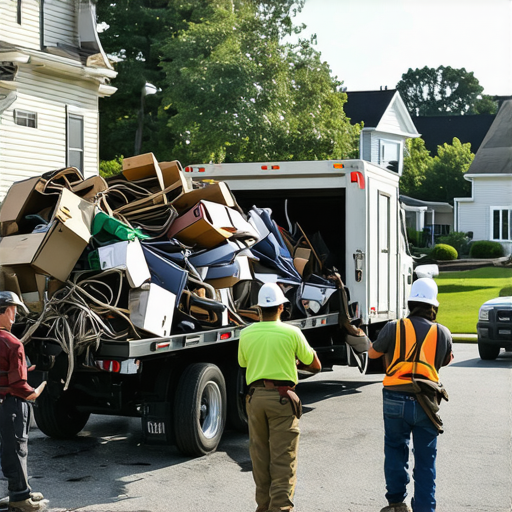
The air in an Aurora transfer station smells like hydraulic fluid and damp cardboard. It is the scent of a system straining under the weight of suburban excess. Most people see a pile of old boxes. I see a volumetric challenge where every cubic inch of wasted space represents a loss in efficiency. In this industry, we survive by mastering the Tetris of the load. I watched a rookie almost lose his eyebrows because a customer hid a half-full propane tank inside a pile of harmless yard waste. We do not just lift. We inspect. Every. Single. Item. This is the reality of junk removal Aurora operations. A simple garage clean out can turn into a hazardous materials event in seconds. You cannot just throw things away. There is no such thing as away. Everything goes somewhere. Usually, it goes to the Denver Arapahoe Disposal Site or a specialized recovery center. If you get it wrong, you are not just messy. You are a liability.
The hidden chemistry of Aurora garage clean outs
Aurora garage clean outs require identifying flammable liquids, pesticides, and old fertilizers that cause chemical reactions in high-heat truck compactors. Residents must separate these materials to comply with regional safety ordinances. Failure to disclose hazards results in rejection at local transfer stations. Old motor oil and lead-acid batteries represent the highest risk for groundwater contamination in Arapahoe County. When these fluids leak in a standard packer truck, they create a slurry that eats through hydraulic seals. Professional junk removal teams classify every liquid by its flashpoint. We look for the signal of a corroded can. A single quart of old pool chemicals can trigger a localized evacuation if mixed with household ammonia. This is why the Resource Conservation and Recovery Act exists. It turns chaos into a manifest.
“Waste is merely a resource in the wrong place; professional removal is the science of putting it back where it belongs.” – Disposal Industry Maxim
The math behind dumpster rentals Aurora logistics
Dumpster rentals Aurora logistics depend on weight limits versus cubic volume. A 20-yard container holds approximately 110 to 130 trash bags, but heavy debris like concrete or dirt will exceed the legal road weight long before the bin is physically full. Balancing load density is vital for cost efficiency. If you fill a bin with asphalt shingles, you will hit the 10-ton limit before you are halfway up the walls. The suspension of the roll-off truck will groan. The tires will bulge. You pay for that weight. Professional haulers use a formula of pounds per cubic yard to determine if a load is profitable. We call it cubing out. If I see air gaps in your dumpster, I see money flying out of your pocket. We pack the heavy stuff low. We slide the flat items along the sides. We eliminate the voids. This is how you win the waste game. [image placeholder]
Professional appliance removal safety standards
Appliance removal involves managing heavy metal carcasses, toxic refrigerants, and high-tension springs. Modern Aurora disposal rules require the certified recovery of Freon and other hydrofluorocarbons before a unit enters a scrap stream. A refrigerator is not just a box. It is a pressurized system. If you clip a cooling line in a basement, you are releasing gases that have a global warming potential thousands of times higher than carbon dioxide. Then there are the capacitors in old microwaves. They hold a charge long after the plug is pulled. They can stop a heart. We use appliance dollies with straps that can support 800 pounds. We calculate the turn radius of every staircase. We do not gamble with your drywall or our vertebrae.
| Waste Type | Decomposition Rate | RCRA Hazard Class | Recovery Potential |
|---|---|---|---|
| Lead Acid Batteries | 500+ Years | Corrosive/Toxic | 99% |
| Treated Wood Waste | 30-50 Years | Ignitable | Low (BTU focus) |
| Latex Paint | 10-15 Years | Non-Hazardous (Dry) | Moderate |
| E-Waste (CRTs) | Indefinite | Toxic (Lead) | High |
The heavy burden of furniture removal density
Furniture removal in Aurora focuses on the separation of composite materials from solid wood to minimize landfill impact. Particle board is mostly glue and sawdust. It has zero structural integrity once it gets damp. It is also full of formaldehyde. We prefer solid oak or maple because it has high BTU potential for waste-to-energy plants. When we load a truck, a sofa is the enemy of density. It is an awkward shape full of air. We often strip the fabric and foam to compress the frame. This reduces the footprint in the truck. Smaller footprint means fewer trips. Fewer trips mean less diesel burned. It is a simple equation that most curbside cowboys do not understand. They just see a couch. I see three cubic yards of wasted space that needs to be neutralized.
Hoarder clean out Aurora structural risks
Hoarder clean out Aurora projects necessitate a structural assessment of the property to ensure floor joists can handle the sudden shift in load. When forty years of magazines absorb ten years of basement humidity, the weight per square foot can exceed two hundred pounds. That is more than most residential floors are designed to carry. The removal process must be surgical. You cannot just rip everything out. You have to balance the load as you go. We wear P100 respirators because the dust is not just dust. It is a cocktail of mold spores, rodent droppings, and degraded plastics. We find things. Propane tanks hidden in closets. Thousands of needles in milk jugs. Your junk is your liability until it hits the scale at the transfer station.
“The mishandling of household hazardous waste presents a significant threat to groundwater and local ecosystem health.” – Solid Waste Authority Guideline
Items Your Hauler Cannot Legally Touch
- Propane tanks and pressurized cylinders
- Ammunition and explosive materials
- Biohazardous medical waste and used needles
- Gasoline and volatile combustible fuels
- Industrial strength acids or caustics
- Radioactive materials including some old smoke detectors
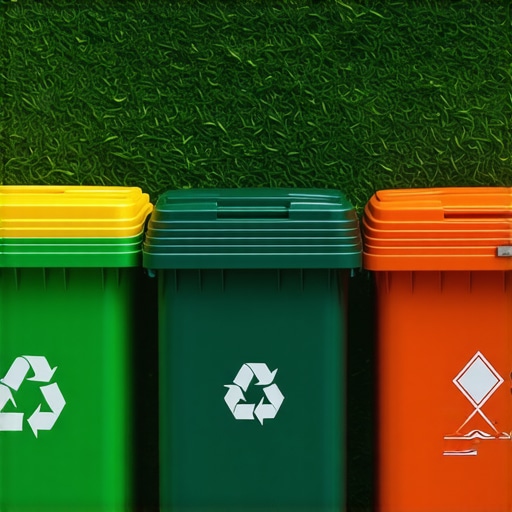
While most people think recycling is always better, the carbon footprint of hauling low-grade plastics 500 miles often exceeds the impact of local, high-efficiency waste-to-energy incineration. We look for the shortest path to the most stable state. Sometimes that is a specialized recycler. Sometimes it is a lined landfill. The goal is the containment of the mess. We are the gatekeepers of the environment. We make sure the garbage of today does not become the superfund site of tomorrow. Aurora has strict rules for a reason. The High Plains environment is fragile. If you dump oil in a storm drain on Colfax, it ends up in the creek. If you hire a guy with a truck and no license, your confidential files end up in a ditch on Gun Club Road. Do the math. Protect your assets. Hire a pro.