The illegal dumping trap that ruins businesses
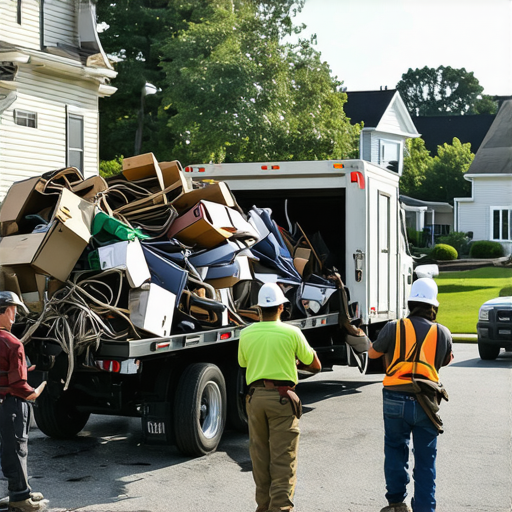
Aurora textile recycling and professional waste management are not just about tossing bags into a bin. A business owner tried to save 500 dollars by hiring a guy with a pickup truck from a social media ad. Two weeks later, the police called him because his company confidential files and branded textiles were found in a ditch near the Fox River. Your junk is your liability until it hits the scale and you have a manifest in your hand. Most people ignore the chain of custody. They think once the truck pulls away, the problem is gone. It is not. In the waste industry, we track every pound. If that truck dumps in a vacant lot, the environmental inspectors trace the debris back to the source. You pay the fine. You lose the reputation. The risk of hiring unvetted haulers far outweighs the small savings. I have spent 25 years watching rookies fail because they do not understand the Resource Conservation and Recovery Act guidelines. Waste management is a science of logistics and legal compliance.
“Waste is merely a resource in the wrong place; professional removal is the science of putting it back where it belongs.” – Disposal Industry Maxim
The physics of the 15 yard load
Dumpster rentals Aurora require a deep understanding of volumetric density and weight distribution. A standard 15 yard container holds approximately 4.5 tons of household debris, but that limit vanishes quickly with heavy materials. If you fill a bin with wet textiles, the weight spikes due to moisture absorption. Cotton fibers act like sponges. A single cubic yard of dry clothing might weigh 200 pounds. Add a night of rain, and that weight triples. This creates a mechanical strain on the roll-off truck hydraulic systems. We look for the tetris of the load. We stack flat items at the bottom and use softer materials to fill the voids. Air space is wasted profit. When we manage a garage clean out, we prioritize the densest items near the center of the bin to maintain a low center of gravity. This prevents the truck from tipping during a sharp turn on the way to the transfer station. The math of the haul is unforgiving. If the load is poorly distributed, the driver faces DOT fines at the weigh station. Professional haulers do not just throw things in. We engineer the pile.
The hidden chemical tax of appliance removal
Appliance removal involves more than just heavy lifting and two-man crews. Modern refrigerators and older air conditioning units contain refrigerants that must be recovered according to EPA Section 608. If a hauler simply smashes a compressor to get the copper out, they release hydrofluorocarbons into the atmosphere. This is a federal offense. We see this with amateur crews who want the scrap value but ignore the environmental cost. A professional team uses a recovery machine to vacuum the gases into a certified cylinder. This takes time. It costs money. That is why a 15 dollar appliance pickup is a red flag. In Aurora, the local disposal centers require a certification tag showing the refrigerant was removed by a licensed technician before they will accept the metal. We also deal with capacitor oils that may contain PCBs in older machinery. These fluids are persistent organic pollutants. They do not break down. They leach into the groundwater if left in a landfill. Our mission is to keep these toxins out of the local ecosystem by following strict hazardous waste protocols.
The heavy cost of keeping everything
Hoarder clean out Aurora operations are the most complex logistical challenges in the waste industry. I once cleared a house where the junk was not just stuff. It was a structural hazard. We found the floor joists were bowing under the weight of 40 years of newspapers that had absorbed ten years of basement humidity. The paper had turned into a solid, heavy mass of cellulose that weighed more than concrete. In these environments, we do not just walk in. We assess the load-bearing capacity of the stairs. We look for biological hazards like mold or pest infestations. The junk removal process for a hoarding site requires PPE and a tiered disposal strategy. We separate recyclables from true waste at the source to save the client on tipping fees. Tipping fees at local landfills are based on weight. If we can divert 30 percent of the volume to a recycling center or a textile recovery plant, the total project cost drops. We calculate the cubic yardage vs. the tonnage. High-density loads are expensive. Low-density, high-volume loads are a logistical puzzle of truck rotations.
| Cotton Textiles | 5 Months | High (Fiber Shredding) |
| Synthetic Polyester | 200 Years | Medium (Chemical Recycling) |
| Particle Board Furniture | 25 Years | Low (Adhesive Contamination) |
| Solid Oak Furniture | 50 Years | High (Reclamation) |
| Steel Appliances | 100 Years | 100% (Scrap Metal) |
Furniture removal and the death of craftsmanship
Furniture removal in the modern era is a battle against low-grade materials. I despise modern disposable furniture. It is made of sawdust and glue. When you try to move a modern dresser, it disintegrates. This makes it impossible to donate. Older furniture was built with mortise and tenon joints and solid hardwoods like maple or walnut. That furniture has value in the secondary market. Modern pieces are often contaminated with formaldehyde-based resins. When these pieces hit the landfill, those chemicals leach out. We try to divert solid wood pieces to local woodworkers or reclaimers. We focus on the Aurora textile recycling 2026 initiative by identifying upholstered pieces that can be stripped. The fabric goes to a fiber recovery plant while the frame is processed based on its material. We use a specific breakdown method. We remove the metal springs and the foam padding. Polyurethane foam is a high-volume waste item that we condense to save space. A professional hauler knows the difference between a piece of history and a piece of trash. We treat the material with the respect its composition deserves.
- Lead-acid batteries (Explosion and acid leak risk)
- Propane tanks (Even if they feel empty)
- Industrial chemicals and solvents
- Asbestos-containing materials
- Biohazardous waste and medical needles
- Wet paint cans (Unless dried with sand or kitty litter)
The contrarian truth about plastic recycling
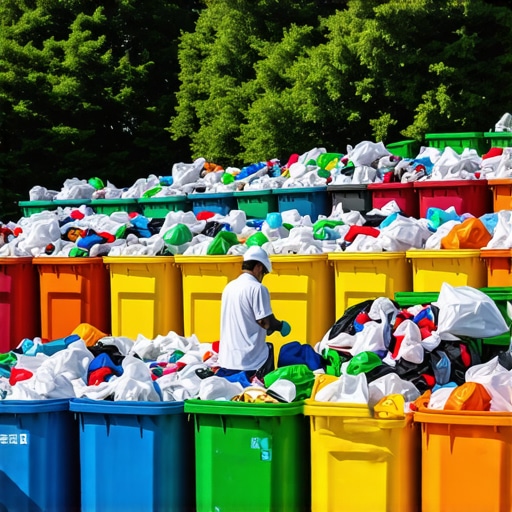
While most people think recycling is always better, the carbon footprint of hauling low-grade plastics 500 miles often exceeds the impact of local, high-efficiency waste-to-energy incineration. In the waste industry, we look at the lifecycle analysis. If we spend 40 gallons of diesel to move a ton of low-value plastic to a processing plant that uses massive amounts of water and chemicals, are we winning? Sometimes, the better environmental choice is high-temperature incineration that generates electricity for the local grid. This is the reality of junk removal Aurora. We have to balance the ideal with the physical reality of the fuel burned and the energy recovered. By 2026, the local infrastructure for textiles will change this. We will have localized shredding facilities that turn old clothes into insulation and carpet padding. This reduces the transport distance. It makes the recovery process carbon-neutral. We are shifting toward a circular economy where the waste stays in the region. This is how we protect our local environment while managing the massive volume of debris generated by modern consumer habits.
“Modern waste management is not just hauling; it is the strategic diversion of materials to prevent the exhaustion of our natural landscapes.” – SWANA Technical Report
The logistical reality of Aurora operations
Junk removal Aurora involves navigating specific local ordinances and landfill regulations. The narrow streets in older neighborhoods mean we cannot always drop a 40 yard dumpster. We have to use smaller, more agile trucks for a live-load. This means our crew works faster. We do not leave a bin on the street to collect illegal dumping from neighbors. We arrive, we load, and we leave. This prevents the site from becoming a magnet for more trash. We also work around the local municipal bulky item pickup schedule. If the city picks up on Tuesdays, we schedule our heavy removals for Wednesdays to catch what they left behind. Municipal services have strict limits. They will not take a refrigerator or a piano. They will not touch a pile of construction debris. That is where we step in. We handle the heavy loads that the city trucks cannot lift. We understand the tipping fees at the local transfer stations and we optimize our routes to minimize fuel consumption. Efficiency is the only way to survive in this industry. Every mile counts. Every pound matters.
[IMAGE_PLACEHOLDER]