The illegal dumping trap and your liability
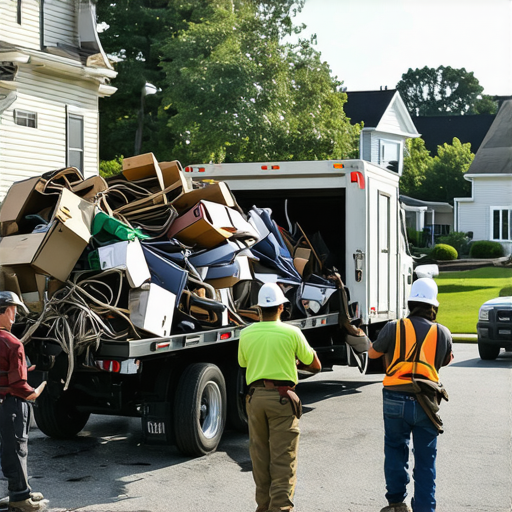
I once saw a local business owner try to save 500 dollars by hiring a guy with a pickup truck from a social media ad to handle a massive office clearing. Two weeks later, the Aurora Police Department called him because his company confidential files and three broken desks were found rotting in a ditch near Cherry Creek State Park. Your junk remains your legal liability until it hits the scale at a licensed transfer station and you have a receipt in hand. Curbside cowboys ignore tipping fees and environmental protocols. They dump on the side of the road and leave you holding the bill for the cleanup and the fines. Professionalism in Aurora waste management requires a chain of custody that protects the client from the legal fallout of fly-tipping.
The physics of heavy furniture removal in Aurora estates
Furniture removal involves calculating the volumetric density and structural integrity of items like heavy oak armoires and sleeper sofas. In Aurora, residential estate cleanups often require navigating narrow hallways or steep staircases that put extreme stress on load-bearing floor joists. Professionals assess the center of gravity before lifting.
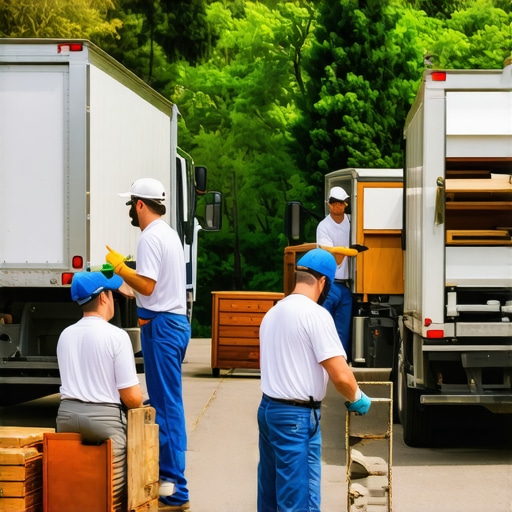
When we talk about furniture removal, we are talking about the math of space. A standard 15-yard dump truck has specific dimensions that must be packed with the precision of a Tetris grandmaster. If you leave air pockets, you are wasting money. We break down particle board because it is low-density and high-volume. Solid wood is different. It is heavy. It is dense. It hits the weight limit of the truck long before the volume is full. This is known in the industry as cubing out. In Aurora, where we deal with everything from mid-century modern pieces to heavy Victorian antiques, the physical toll on a crew is significant. Every piece of furniture has a story, but to a logistics manager, every piece is a set of dimensions and a weight class. We look for fasteners. We check for dry rot. We ensure that the path to the truck is clear of trip hazards and structural weaknesses. The goal is to move the maximum amount of material with the minimum number of trips. Efficiency is the only way to keep costs down at the landfill.
“Waste is merely a resource in the wrong place; professional removal is the science of putting it back where it belongs.” – Disposal Industry Maxim
The logistical reality of Aurora garage clean outs
Garage clean outs in Colorado suburbs often reveal a dangerous mix of hazardous materials and bulky waste. Proper disposal requires separating lead-acid batteries, old tires, and pressurized canisters from general debris. Aurora municipal codes dictate strict rules for what can enter the general waste stream at local landfills.
The garage is where the most dangerous items hide. People think it is just boxes. It is never just boxes. We find five-gallon buckets of old paint that have separated into toxic sludge. We find bags of fertilizer that have absorbed moisture and become heavy, unstable masses. In Aurora, the temperature swings can cause containers to crack. This leads to chemical leaching. When we perform garage clean outs, we do a hazmat sweep first. We look for the symbols. We check for the smell of old gasoline or the white crust of battery acid. A single lithium-ion battery crushed in the back of a packer truck can start a fire that destroys a 100,000 dollar vehicle. This is why we charge for specific items. The risk is real. The disposal fees for tires at the Denver Arapahoe Disposal Site are based on whether the rim is attached. We track these costs to the penny. We do not just toss everything in a pile. We sort at the source to ensure that the recyclable metals go to the scrap yard and the hazardous waste goes to a specialized processor. This protects the Aurora groundwater and your peace of mind.
| Material Type | Decomposition Time | Recycle Potential |
|---|---|---|
| Solid Wood Furniture | 10 to 15 Years | High (Mulch/Fuel) |
| Particle Board (MDF) | 20 to 30 Years | Very Low |
| Steel Bed Frames | 50 to 100 Years | 100 Percent |
| Polyurethane Foam | Infinite | Low |
| Glass Table Tops | 1 Million Years | High |
The math of dumpster rentals Aurora residents should know
Dumpster rentals in Aurora require a clear understanding of weight limits versus volume capacity. Overfilling a bin leads to safety hazards during transport and heavy overage fees at the scale house. Choosing the right size bin depends on the density of the debris being discarded during a project.
Most people underestimate the weight of their junk. They rent a 10-yard bin and fill it with concrete or dirt. The truck arrives to pick it up and the hydraulics fail because the load is twice the legal limit. In the waste industry, we call this a heavy pick. If you are doing a kitchen remodel in Aurora, that debris is dense. If you are just clearing out a basement of old clothes and plastic toys, the density is low. You must match the bin to the material. A 20-yard dumpster is the workhorse of the industry. It fits in a standard driveway. It handles the contents of a large garage or a small estate. But you have to watch the door. You load the heavy items at the bottom and the light items on top. This keeps the center of gravity low. We also have to consider the Aurora weather. If it rains or snows while your dumpster is open, the debris absorbs water. That water adds hundreds of pounds to your load. You end up paying the landfill to dispose of rainwater. Always cover your bin. It is a simple logistical step that saves money.
- Lead-acid batteries from vehicles or backup power systems.
- Propane tanks or any pressurized gas cylinders.
- Industrial chemicals and volatile solvents.
- Large quantities of liquid waste like oil or wet paint.
- Medical waste including sharps and biohazards.
- Tires still mounted on metal rims without prior notice.
- Asbestos-containing materials from old pipe insulation.
The science of appliance removal and metal recovery
Appliance removal is a specialized logistics task due to the presence of refrigerants and heavy motors. Modern environmental laws require the certified recovery of Freon and other ozone-depleting substances before the metal casing can be recycled. Aurora residents must follow these federal mandates strictly.
A refrigerator is not just a box of metal. It is a pressurized system containing chemicals that are regulated by the EPA. When we handle appliance removal in Aurora, we are looking at the unit as a harvestable resource. The compressor contains high-grade copper. The shell is steel. The insulation is often a foam that must be handled carefully. We do not just throw these on a pile. We use appliance dollies with specialized straps to prevent damage to the home floors. Moving a 300-pound washing machine from a second-floor laundry room is a study in kinetic energy. One slip and you have a hole in the drywall or a broken ankle. We use ramps and levers. We understand the mechanical advantage. Once the appliance is on the truck, it goes to a processing center. They suck the refrigerant out using vacuum pumps. Then they shred the rest. The steel is melted down. This is the circular economy in action. It is much more efficient than mining new ore. But it requires the logistics expert to manage the transit from the basement to the shredder.
“The Resource Conservation and Recovery Act (RCRA) gives EPA the authority to control hazardous waste from the cradle to the grave. This includes the generation, transportation, treatment, storage, and disposal of hazardous waste.” – Environmental Protection Agency Policy
The heavy cost of keeping everything in hoarder clean outs
Hoarder clean out services in Aurora deal with extreme volume and significant biohazard risks. These projects require a systematic approach to debris management to avoid structural collapse and pest infestations. The density of the material often exceeds the safe load-bearing capacity of residential flooring.
A hoarding situation is a data overflow error in a physical environment. I have entered homes in Aurora where the stack of newspapers reached the ceiling. The floor joists were bowing under the weight of decades of collected paper. Paper is surprisingly heavy when it is compressed. It also absorbs moisture from the air. This turns a stack of magazines into a solid, mold-covered block. In these cases, we do not just start throwing things away. We have to stabilize the site. We wear respirators because of the dust and the potential for hantavirus. We use a method called the wall of debris. We clear a path to the exit and then work our way out. Every cubic yard is accounted for. We look for hidden valuables and essential documents, but 95 percent of it is usually destined for the landfill. The cost of these clean outs is high because the labor is intense. You are moving tons of material by hand. It is a slow, methodical process that requires a strong stomach and a clear plan. We use 40-yard roll-off bins for these jobs. We need the volume. We need the speed. It is a logistical battle against years of accumulation.
The local advantage of Aurora waste management experts
Navigating the specific disposal regulations of Arapahoe County requires local expertise. From understanding the seasonal hours of the local transfer stations to knowing the specific permit requirements for street-placed dumpsters, local knowledge prevents project delays. Aurora has unique challenges that outside haulers often miss.
If you are in a neighborhood with a strict homeowners association, you cannot just leave a dumpster on the street for a week. You need a permit. You need a plan. We know which streets in Aurora are too narrow for a 30-yard truck. We know that the tipping fees at the local stations can change based on the type of debris. We have relationships with the scale masters. This matters when you are trying to get a job done on a Friday afternoon before the weekend rush. We understand the wind patterns in Colorado. If you do not tarp your load properly, the wind will whip your junk across the highway. That leads to a ticket. We avoid those mistakes. We take the shortest route to the transfer station to save on diesel. We optimize every aspect of the haul. This is not just about moving trash. It is about the efficient management of materials in a growing city. Whether it is furniture removal or a full estate clear out, the goal is the same. Get it out. Get it sorted. Get it to the right facility. That is how a veteran waste strategist looks at the world. Every load is a mission. Every truck is a tool. Every site is a problem to be solved with logistics and hard work.