The hazardous surprise in the driveway
I watched a rookie almost lose his eyebrows because a customer hid a half-full propane tank inside a pile of harmless yard waste. We do not just lift. We inspect. Every. Single. Item. That incident in the summer of 2018 remains burned into my memory as a testament to why professional waste management is a science of caution rather than a game of strength. Junk removal in Aurora has evolved since then, but the risks remain identical. When you are staring at a 400 pound refrigerator, you are not just looking at an appliance. You are looking at a pressurized system of refrigerants, a heavy steel shell, and a compressor filled with viscous oil that becomes a hazardous spill the moment it tips at the wrong angle. In 2026, the Aurora waste corridor has tightened its grip on illegal dumping, making it imperative that every resident understands the logistics of heavy load disposal.
The thermodynamic burden of old steel
Appliance recycling in Aurora involves navigating specific municipal transfer stations or private certified haulers who handle Freon recovery according to EPA Section 608 protocols. This is the logistical reality of the modern kitchen. If you attempt to haul a fridge yourself to the local transfer station, you must account for the fluid dynamics within the cooling coils. Most people assume they can lay a fridge flat in a pickup truck. This is a mistake. Doing so allows the oil from the compressor to migrate into the evaporator coils, effectively ruining the unit for potential refurbishment and creating a messy cleanup if the lines rupture during transit. Professional haulers in Aurora use a specific vertical strapping technique to ensure the unit stays upright, maintaining the integrity of the sealed system until it reaches a certified recovery plant.
“Waste is merely a resource in the wrong place; professional removal is the science of putting it back where it belongs.” – Disposal Industry Maxim
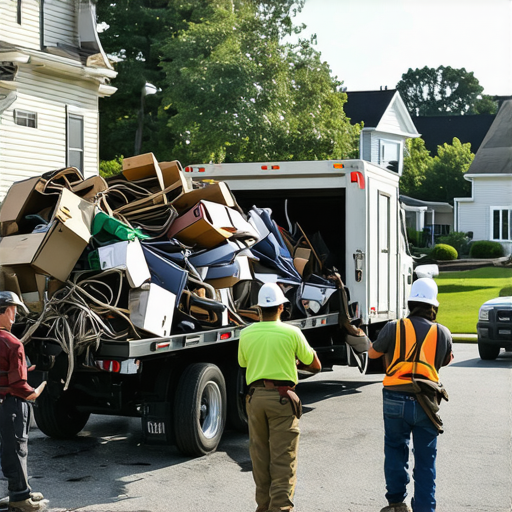
The physics of the load dictate everything. A standard 15 yard truck has a specific weight capacity that is often reached before the volume is full. This is known as cubing out. When dealing with appliance removal in Aurora, the density of the items determines the tipping fee. Fridges are bulky but relatively light compared to their size, whereas a load of construction debris from a garage clean out is dense and heavy. Balancing these loads is an art form. You place the heavy white goods near the front of the bed, over the axle, to prevent the front wheels of the truck from losing traction on the steep inclines near the Aurora Highlands. [IMAGE_PLACEHOLDER]
Aurora legal maze for heavy white goods
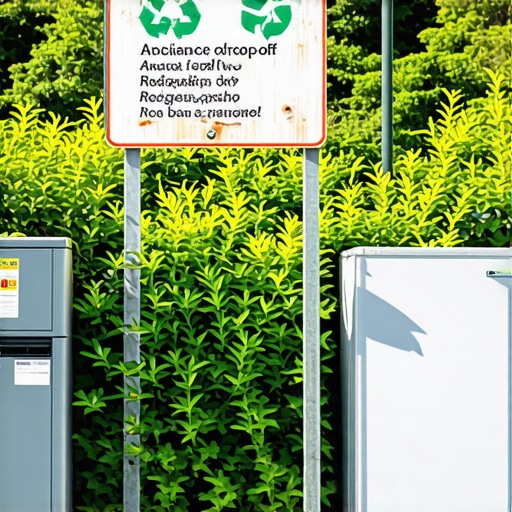
Disposal of refrigerators in Aurora requires proof of refrigerant recovery or delivery to a facility equipped with specialized vacuum systems to prevent atmospheric venting. The Clean Air Act is not a suggestion. It is a federal mandate with significant fines. In the Aurora metro area, the 2026 ordinances have added a layer of complexity. You cannot simply leave a fridge on the curb and hope for the best. Scrappers will often cut the copper lines to steal the metal, venting the gas and leaving you liable for the environmental damage. A professional Aurora junk removal service provides a manifest of disposal, which serves as your legal shield. This document proves that the item was taken to a facility that meets the 120 percent diversion rate targets set by the regional waste board.
The tetris of a fifteen yard truck
Efficient junk removal depends on maximizing every cubic inch of the vehicle while respecting the gross vehicle weight rating to avoid structural failure of the lift gates. When we perform a hoarder clean out in Aurora, the process is methodical. We do not just throw items into the bin. We break down furniture. We stack appliances with surgical precision. A fridge serves as a cornerstone for the load. We pack smaller, softer items around it to prevent shifting. If a load shifts while navigating the tight corners of residential Aurora streets, the lateral force can snap a hydraulic line. This is why we obsess over the physics. We look for the center of gravity in every piece of debris. The smell of diesel and the sound of the engine under load are the constants of our workday.
Items your hauler cannot legally touch
- Propane tanks and pressurized cylinders
- Lead acid batteries from vehicles or UPS systems
- Biohazardous waste or medical needles
- Wet paint and volatile organic solvents
- Radioactive smoke detectors from the 1970s
- Industrial grade pesticides and herbicides
- Unlabeled chemical drums
The cost of professional disposal in Aurora
Pricing for appliance and furniture removal is calculated based on the total volume occupied in the truck and the labor required to navigate architectural obstacles like narrow staircases. The math is simple but firm. A fridge takes up approximately two to three cubic yards. In 2026, the tipping fees at Aurora facilities have shifted toward a weight based model for commercial accounts but remain volume based for residential pickups. This creates a price gap that only professional fleets can bridge through bulk processing. Below is a breakdown of what you can expect when comparing DIY hauling versus hiring a specialist.
| Service Type | Estimated Cost | Labor Required | Legal Risk |
|---|---|---|---|
| DIY Rental | $80 to $120 | High | High |
| Municipal Bulk Pick | $30 to $50 | Low | Medium |
| Pro Junk Removal | $150 to $300 | Zero | Zero |
| Illegal Dumping | $5,000 Fine | Zero | Extreme |
The hidden chemistry of cooling systems
Modern fridges use R-600a which is flammable but less damaging to the ozone than the R-22 or R-134a found in older models manufactured before the 2020s. When we handle an appliance removal in Aurora, we are identifying the chemical makeup of the unit before it ever touches the truck. The older units are essentially environmental time bombs. The foam insulation itself often contains blowing agents that are potent greenhouse gases. A professional recycling facility in the Aurora area will put the entire unit into a sealed shredder that captures these gases. This is a level of technological intervention that a simple scrap yard cannot provide. This is the difference between disposal and responsible management. The carbon footprint of a single improperly vented fridge is equivalent to driving a car for three thousand miles.
“The Resource Conservation and Recovery Act ensures that our industrial footprint does not become a permanent scar on the local topography.” – EPA Waste Management Guidelines
The heavy cost of keeping everything
A hoarder clean out in Aurora is a forensic operation that requires specialized PPE and a deep understanding of structural load limits on residential flooring. We have seen floors bowing under the weight of decades of accumulated paper. Paper is surprisingly heavy when it absorbs basement humidity. In Aurora, the fluctuating weather means that items stored in unconditioned garages degrade quickly. This creates a mold hazard. When we enter these spaces, we are not just movers. We are logistics experts managing a biohazard site. We prioritize the removal of large appliances first to create a clear egress path. The fridge is often the largest obstacle. Removing it requires a specialized dolly with tank tracks that can navigate stairs without cracking the tread. This is the zooming reality of our work. We see the microscopic mold and the macroscopic logistical failure simultaneously.
The contrarian view on local recycling
While most people think recycling is always better, the carbon footprint of hauling low grade plastics five hundred miles often exceeds the impact of local high efficiency waste to energy incineration. In Aurora, we have to be honest about where the junk goes. Sometimes, the most environmental choice is a high temperature incinerator that produces electricity for the local grid. This is the information gain that homeowners often lack. We advise our clients on the most efficient path. If an appliance is too far gone for part recovery, we ensure it goes to the regional waste to energy plant. This avoids the empty promise of a recycling bin that eventually ends up in a landfill anyway. We track the diversion rates. We know which facilities are honest and which ones are just shifting the problem to another county. Your junk is your liability until it hits the scale. Make sure you trust the person holding the clipboard.
This post really highlights the complexity behind responsible appliance disposal. It’s not just about hauling away an old fridge; it involves understanding environmental regulations, safety protocols, and logistical precision. I’ve personally dealt with a similar situation where improper disposal led to hefty fines because the refrigerant wasn’t properly recovered. What strikes me is the importance of hiring professionals who are aware of these legal and safety intricacies. DIY in this context might seem cost-effective initially, but the hidden risks and potential penalties far outweigh the savings. I’m curious, have any Aurora residents found innovative ways to recycle or repurpose old appliances to extend their life cycle and possibly reduce the need for disposal altogether? It seems like a sustainable approach could help minimize environmental impact while easing the burden on waste management systems.
This post provides a comprehensive look at the importance of proper appliance disposal, especially in a regulated environment like Aurora. I agree that attempting a DIY approach could be risky given the environmental and safety regulations involved, particularly with refrigerant handling. I’ve seen some innovative local programs where residents can schedule pickup for old appliances, ensuring they meet all legal and environmental standards without the hassle or risk. It made me wonder whether more widespread awareness of these services might help reduce illegal dumping and unsafe practices. Has anyone in Aurora utilized these certified services, and what was their experience? Also, I find the point about the chemical composition of fridges fascinating — knowing that older models contain potent greenhouse gases, I think it underscores the importance of professional recovery to prevent environmental damage. It seems like education around these issues could really influence more responsible disposal habits in the community.