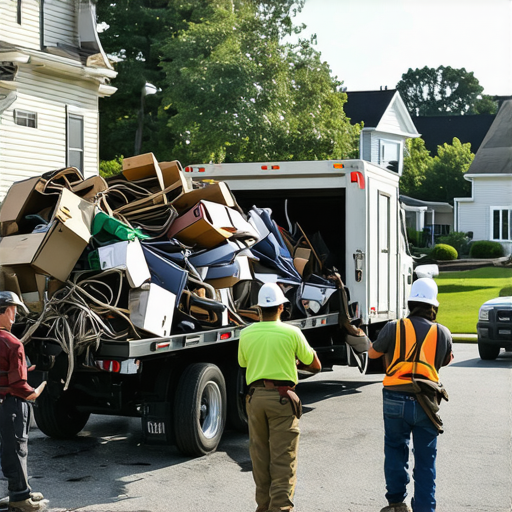
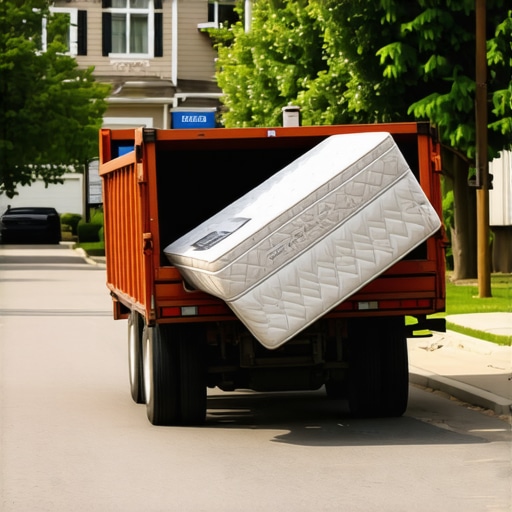
The smell of diesel exhaust and the sharp tang of hydraulic fluid define my mornings. For twenty-five years, I have stared into the back of a 15-yard dump truck, calculating the exact volumetric displacement of every sofa and sideboard. A stained mattress is not just a piece of trash. It is a logistical variable with high porosity and significant air-pocket waste. I have spent my life in Aurora managing these loads, ensuring that every cubic inch of the truck is filled with high-density debris rather than empty air. If you think junk removal is just about tossing things in a bin, you are the reason landfills fill up ten years ahead of schedule. Professional removal is an engineering challenge. It requires an understanding of material weights, tipping fees at the Denver Regional Landfill, and the structural integrity of the items being hauled. Every load is a puzzle. Every piece of furniture is a data point in a larger environmental manifest.
A business owner once tried to save five hundred dollars by hiring a guy with a pickup truck from a social media ad. Two weeks later, the police called him because his company confidential files and three broken office chairs were found in a ditch near Cherry Creek. Your junk is your legal liability until it hits the scale and a transfer receipt is issued. I have seen the fallout of illegal dumping first-hand. It destroys local ecosystems and leads to massive fines for the original owners. When we handle a furniture removal job in Aurora, we are not just movers. We are the final link in a chain of custody that protects you from the negligence of curbside cowboys who disappear as soon as the cash is in their pocket. This industry runs on trust and the weight of the bill of lading.
The physical reality of mattress weight in Aurora
Furniture disposal in Aurora requires understanding that mattresses and box springs are considered bulky waste and must be transported to a certified transfer station like the Aurora Transfer Station or Denver Regional Landfill. These items cannot be compacted easily, meaning they take up significant cubic yardage in a junk removal truck or roll-off dumpster. A king-sized mattress occupies nearly 1.5 cubic yards of space. When that mattress is stained or water-logged, its weight can triple, shifting the cost from a volume-based quote to a weight-based surcharge. The internal steel springs of a mattress are a nightmare for standard shredders at the dump. This is why many facilities charge a specific per-unit fee for mattresses. We calculate the density before the first lift. If the foam is saturated with moisture from a damp Aurora basement, the lift requires specific ergonomic tools to prevent spinal compression for the crew. We do not just toss it. We stack it to minimize the void space in the truck bed.
The ghost in the garage
A garage clean out in Aurora often reveals more than just old holiday decorations and broken lawnmowers. It reveals the structural decay of items left to the mercy of Colorado’s temperature swings. Wood furniture that has sat in a humid garage for five years often harbors mold spores or wood-boring insects. When we pull a heavy dresser out of a corner, we are looking for the telltale signs of infestation or rot. If the structural integrity of the piece is compromised, it becomes a safety hazard. It could collapse during the carry, causing injury or property damage. This is where the logistics manager’s eye becomes invaluable. We assess the load path. We check the stair treads. We ensure that the weight of a solid oak headboard does not exceed the load-bearing capacity of the crew. Every move is a calculated risk. We minimize that risk through technical expertise and the right equipment. A 15-yard truck is a hungry beast. It needs to be fed efficiently. We break down what can be broken down. We preserve what can be recycled. We never leave air gaps.
| Material Type | Disposal Method | Decomposition Time | Recycling Potential |
|---|---|---|---|
| Inner-spring Mattress | Specialty Shredding | 80-100 Years | High (Steel/Wood) |
| Memory Foam | Landfill/Incineration | Variable | Low |
| Treated Timber | Waste-to-Energy | 15-20 Years | Moderate |
| Particle Board | General Landfill | 25-30 Years | None |
“Waste is merely a resource in the wrong place; professional removal is the science of putting it back where it belongs.” – Disposal Industry Maxim
The heavy cost of local compliance
Local ordinances in the City of Aurora are strict about how items like appliances and furniture are discarded. Appliance removal involving units with refrigerant requires a certified technician to evacuate the Freon before the metal can be scrapped. You cannot simply drop a fridge at the curb and hope for the best. The EPA regulates these ozone-depleting substances under Section 608 of the Clean Air Act. If we find a refrigerator in a hoarder clean out, it is treated as a hazmat item until proven otherwise. This is why professional junk removal Aurora services cost more than a random guy with a trailer. You are paying for the legal disposal and the environmental protection. We maintain the manifests. We know the tipping fees at every gate from Tower Road to Hampden. The math is simple. If the price you are quoted is lower than the actual gate fee at the transfer station, that hauler is dumping your property illegally. There is no magic way to make the tipping fee disappear.
- Lead-acid batteries (Fire hazard in the truck)
- Propane tanks (Explosion risk during compaction)
- Fluorescent light tubes (Mercury contamination)
- Wet paint and solvents (Chemical leaching)
- Tires (Forbidden in standard Aurora landfill cells)
The hidden chemistry of old furniture
Modern furniture is often a cocktail of glues, resins, and flame retardants that complicate the disposal process. When we handle furniture removal in Aurora, we are often dealing with particle board held together by formaldehyde-based adhesives. If these pieces are crushed in the back of a truck, they release fine dust that is hazardous to breathe. This is why we wear respirators during heavy clean outs. The polyurethane foam in a stained mattress is a petroleum product. While many believe that recycling is always the superior path, the carbon footprint of hauling low-grade, contaminated foam five hundred miles to a specialty plant often exceeds the impact of local, high-efficiency waste-to-energy incineration. We have to be honest about the math. Sometimes the most environmental choice is the one that minimizes transport distance and utilizes the BTU potential of the waste to generate local electricity. This is the contrarian reality of the waste industry that many refuse to acknowledge. We look at the total life cycle, not just the feel-good label.
“Proper waste management is a fundamental component of protecting human health and the environment by reducing the amount of waste generated and ensuring it is managed in an environmentally sound manner.” – Environmental Protection Agency (EPA)
Why your cheap hauler is a legal time bomb
Hiring an unlicensed hauler for a hoarder clean out in Aurora is a gamble with your financial future. If an uninsured worker falls down your stairs while carrying a sofa, your homeowner’s insurance might not cover the claim because you hired an illegal contractor. We carry the heavy-duty liability insurance because we know the physics of a 300-pound armoire on a narrow staircase. We know the stress points of the truck’s hydraulic lift. We understand that every item we touch is technically your property until it is legally disposed of. If that property ends up blocking a fire hydrant or polluting a creek, the authorities will trace it back to you. We provide the documentation. We provide the peace of mind. The logistics of disposal are about more than just lifting. They are about the transfer of risk. We take that risk off your shoulders and place it squarely on our heavy-duty axles. We do the job right because the alternative is a mountain of legal paperwork and environmental damage that lasts for generations.