
The phantom liability of the curbside pickup
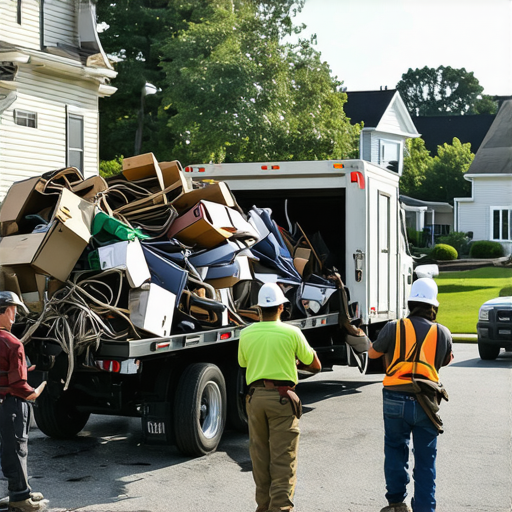
Junk Removal Aurora depends on a chain of custody that starts the moment a professional lifts a load and ends only when the final diversion weight is recorded at the scale. A business owner once tried to save five hundred dollars by hiring a guy with a pickup truck from a social media ad. Two weeks later, the police called him because his company confidential files were found in a ditch. Your junk is your liability until it hits the scale. Professional hauling is not just about physical labor. It is a logistical shield against legal fallout. I have spent twenty-five years watching the aftermath of illegal dumping. When you hire an uncertified hauler, you are gambling with the Resource Conservation and Recovery Act. The smell of diesel and hydraulic fluid is the scent of a legitimate operation. We track every pound of waste because the City of Aurora demands accountability. If your hauler cannot provide a tipping receipt from a facility like the Denver Regional Landfill, they are likely cutting corners. This negligence leads to higher municipal taxes and contaminated local soil. It is a cycle of failure that experts must break through rigorous logistical planning. We calculate truck density to ensure we maximize every trip. Air space in a truck is a wasted resource. We call this cubing out the load. It requires a spatial intelligence that curbside amateurs simply do not possess. Every cubic yard must be accounted for in the manifest.
The mathematical reality of the fifteen yard bin
Dumpster Rentals Aurora pricing models often confuse homeowners because they ignore the critical variable of material density versus total volume capacity. A fifteen yard dumpster can hold a specific volume, but the weight limit is the hard ceiling that dictates the tipping fee. If you fill a bin with wet sod, you will exceed the axle weight limit of the roll-off truck before the bin is half full. This is a physics problem. We analyze the moisture content of debris during Garage Clean outs to prevent overweight penalties. The math of waste management is unforgiving.
| Material Type | Average Weight per Cubic Yard | Landfill Diversion Potential |
|---|---|---|
| Mixed Household Junk | 250 lbs | 40% |
| Construction Debris | 500 lbs | 75% |
| Green Waste/Compost | 350 lbs | 100% |
| Heavy Masonry/Concrete | 2,000 lbs | 90% |
“Waste is merely a resource in the wrong place; professional removal is the science of putting it back where it belongs.” – Disposal Industry Maxim
Why your old sofa is a methane bomb
Furniture Removal involves more than just lifting heavy objects because modern upholstery contains polyurethane foam that off-gasses for decades in a landfill. When a sofa is buried, it creates voids in the landfill cell. These voids lead to uneven settling and the release of concentrated methane plumes. We prioritize breaking down furniture to separate the timber frames from the synthetic fabrics. The timber has a high BTU potential for waste-to-energy conversion, while the metal springs are pure scrap value. In Aurora, the shift toward the 2026 composting guidelines means we must be even more diligent about separating organic components from treated woods. Treated lumber contains arsenic and chrome. It cannot enter the composting stream. If it does, it ruins the entire batch of mulch. This is why we inspect every piece of furniture. We look for the labels. We check the stuffing. We do not just toss items into a heap. We categorize them by their chemical signature. A simple armchair is a complex assembly of materials that require different disposal paths. The logistics of a single house cleanout can involve four different drop-off points. This is the difference between a hauler and a waste strategist.
The chemical ghost inside your refrigerator
Appliance removal is a high-stakes operation because of the 1990 Clean Air Act mandates regarding the recovery of ozone-depleting refrigerants like R-22 and R-134a. Every refrigerator contains a compressor that must be professionally drained. I have seen rookies try to clip the lines with bolt cutters. The resulting hiss is the sound of a felony. The refrigerant escapes into the atmosphere, and the technician risks frostbite. We use recovery machines to vacuum the gas into pressurized cylinders. This gas is then sent to a reclamation facility. Beyond the gas, old appliances often contain PCB capacitors and mercury switches. These are hazardous materials. They cannot go into the general waste stream. When we perform Appliance removal in Aurora, we are performing a hazardous material extraction. The steel shell is the easy part. The internal components are the danger. We also manage the logistics of the heavy lift. A standard side-by-side fridge weighs nearly three hundred pounds. Moving this down a flight of basement stairs requires specialized straps and a knowledge of center of gravity. We do not scratch floors. We do not break door frames. We use the physics of the load to our advantage. The floor joists often groan under the weight of old cast iron stoves. We reinforce our path. We plan the exit. It is a tactical maneuver.
Managing the psychological and physical weight of a hoard
Hoarder Clean Out aurora projects represent a unique intersection of structural engineering and biohazard mitigation due to the extreme compression of the debris. When newspapers and clothes are stacked six feet high, they absorb ambient humidity. This turns the bottom layers into a dense, moldy peat that can weigh five times its original dry weight. The floor joists begin to bow. We have seen houses where the structural integrity was compromised by the sheer tonnage of collected items. We do not just enter these homes. We perform a structural assessment. We look for signs of floor failure. We wear respirators because the air is thick with particulate matter and fungal spores. This is not just Junk Removal. This is a salvage operation. Every layer of the hoard is a different era of waste. We find hidden batteries that have leaked acid into the floorboards. We find forgotten propane tanks. These are the hazards that kill people in the waste industry. We use a method called the volume-to-weight ratio check to estimate the number of truckloads required. A standard two-car garage filled to the ceiling is often eight to ten loads. We coordinate the logistics to ensure we have a constant flow of empty trucks. We keep the site clean. We respect the property.
The hidden danger of the garage cleanout
Garage Clean outs are the most frequent source of accidental hazardous waste contamination because homeowners store decades of toxic fluids in unmarked containers. We find old lead-acid car batteries, half-full jugs of pesticides, and jars of used motor oil. These items are strictly regulated. You cannot put them in a dumpster. If a battery is crushed in the back of a packer truck, the acid eats through the hydraulic lines. If a pesticide container bursts, the entire load becomes hazardous waste. This triggers an expensive environmental cleanup. We sort every item. We separate the recyclables from the toxins. In Aurora, the municipal regulations for hazardous household waste are strict. We guide our clients on how to utilize the local drop-off days for items we cannot legally transport. This is part of the professional service. We provide the knowledge that keeps the homeowner out of trouble. We also manage the heavy items like old engines or transmissions. These require oil-absorbent mats and specialized lifting equipment. A garage is often a graveyard of failed DIY projects. We clear the slate so the space can be used for its intended purpose. The floor is swept. The air is cleared. The logistics are finalized.
Items your hauler cannot legally touch
Understanding the limitations of waste transport is essential for maintaining a safe and legal disposal environment for all parties involved. Professional haulers are bound by federal and state laws regarding the transport of dangerous goods.
- Asbestos-containing materials such as old pipe insulation or popcorn ceilings.
- Biohazardous waste including needles, medical waste, or animal carcasses.
- Explosive materials such as ammunition, flares, or commercial fireworks.
- Radioactive items like old smoke detectors containing Americium-241 in bulk.
- Pressurized cylinders that are not empty and valves-removed.
- Industrial chemicals and solvents that lack a proper Safety Data Sheet (SDS).
- Large quantities of liquid paint that has not been solidified with kitty litter or sawdust.
While most people think recycling is always better, the carbon footprint of hauling low-grade plastics five hundred miles often exceeds the impact of local, high-efficiency waste-to-energy incineration. We look at the total life cycle of the debris. We choose the path that results in the lowest environmental impact. This is the core of the 2026 Aurora vision. We are moving toward a circular economy where waste is minimized through better sorting at the source.
Excavating the forgotten layers of the suburban garage
Junk Removal Aurora requires a strategic approach to the accumulation of consumer goods that have reached the end of their functional lifespan. The typical American garage is a repository for obsolescence. We see the evolution of technology in the piles. We see the CRT televisions that weigh eighty pounds and contain four pounds of lead. We see the particle board furniture that has swollen with moisture and lost all structural integrity. This stuff is not built to last. It is built to be replaced. We focus on the recovery of the core materials. We strip the copper from the wires. We salvage the aluminum from the window frames. This material recovery reduces the need for virgin mining. It is a small but vital part of the global supply chain. The logistics of managing these small streams of metal is complex. It requires a network of specialized recyclers. We act as the hub of this network. We ensure that every piece of scrap finds its way to a smelter. This is how we achieve high diversion rates. We do not just dump. We distribute. The truck is our warehouse on wheels. Every stop is an opportunity to improve the diversion metric. We track our progress. We report our findings. We are the stewards of the waste stream.
Aurora composting mandates and the 2026 shift
The upcoming 2026 guidelines for organic waste in Aurora will fundamentally change the logistical requirements for both residential and commercial junk removal operations. We are preparing for a system where organic material is banned from the landfill. This means every load of yard waste must be perfectly clean. No plastic bags. No treated wood. No metal wire. We are training our crews to identify organic contaminants at a glance. The composting facilities are strict. A single plastic bag can ruin a whole windrow of compost. This shift is necessary to reduce the methane production of our local landfills. It also creates a valuable product for local agriculture. We see waste as a raw material for the next generation of soil. This requires a change in mindset. We are no longer just hauling trash. We are harvesting nutrients. The logistics of this involve separate trucks for green waste and separate tipping schedules. It is more work, but it is the right way to manage the planet. We are committed to this future. We are already implementing these practices in our daily operations. We are the bridge between the old way of dumping and the new way of recovering. The scale is our judge. The manifest is our record. The environment is our client.