The shadow side of the residential dumping game
A business owner tried to save 500 dollars by hiring a guy with a pickup truck from a social media ad. Two weeks later, the police called him because his company confidential files were found in a ditch. Your junk is your liability until it hits the scale. I have seen this play out in Aurora dozens of times. People think a quick haul solves the problem. They ignore the chain of custody. When the first frost hits the front range, your garage stops being a storage space and starts being a frozen tomb for items that should have been recycled months ago. I have spent twenty five years calculating the density of debris and the logistics of waste streams. I know that a garage clean out is not about aesthetics. It is about risk management. If you leave hazardous materials or heavy appliances sitting in an unheated space through a Colorado winter, you are inviting structural damage, pest infestations, and legal headaches.
“Waste is merely a resource in the wrong place; professional removal is the science of putting it back where it belongs.” – Disposal Industry Maxim
The heavy toll of ancient refrigeration units
Appliance removal in Aurora is a matter of environmental physics and strict municipal regulations regarding ozone depleting substances. If you have an old fridge humming in the corner of your garage, you are burning money. These units are inefficient. They are also massive. A standard 1990s era refrigerator weighs between 250 and 300 pounds. The compressor contains Freon which requires recovery by a certified technician under Section 608 of the Clean Air Act. You cannot simply toss this into a dumpster. When winter hits, the seals on these old units often fail due to thermal contraction. This leads to leaks. We see it every year. A homeowner leaves a secondary fridge in the garage. The temperature drops to ten degrees. The compressor seizes. Now you have a 300 pound block of dead steel and toxic gas taking up twelve square feet of prime real estate. My trucks are equipped with heavy duty dollies and hydraulic lifts specifically for this. We treat every appliance as a potential hazmat situation until the refrigerant is drained and logged.
The structural collapse of cheap particle board
Furniture removal often centers on the failure of modern engineered wood products during seasonal shifts. High density fiberboard and particle board are held together by resins and glues. These materials are hygroscopic. They absorb moisture from the Aurora humidity during the transition into winter. Once the water gets into the fibers, the material expands. The structural integrity vanishes. I have seen wardrobes literally explode because the internal fasteners could no longer grip the swollen wood. If that desk or bookshelf is sitting on a concrete garage floor, it is sucking up moisture like a sponge. By November, it will be twice as heavy and half as stable. It becomes a safety hazard for anyone walking past. My crew focuses on the cubing out of the truck. We break these items down to ensure we do not waste air space. Wasted air space is wasted profit. If you are doing a garage clean out, look for anything made of sawdust and glue. It will not survive the winter thaw cycle without rotting.
The hidden fire hazards in forgotten chemical stockpiles
Junk removal Aurora specialists often find themselves acting as amateur chemists when dealing with garage corners. Old paint, half used cans of lacquer, and car batteries are not just clutter. They are volatile compounds. In the cold, many liquid chemicals undergo phase changes. Containers crack. When the spring thaw arrives, you have a toxic slurry of lead, mercury, and volatile organic compounds leaching into your concrete. This creates a permanent stain and a health risk. The Resource Conservation and Recovery Act or RCRA provides strict guidelines on how these must be handled. We do not just toss them. We manifest them. If you have five gallons of old latex paint, it needs to be solidified with cat litter or sawdust before it hits a landfill, or better yet, taken to a specialized Aurora household hazardous waste facility. Ignoring this is a violation of local ordinances. I have seen garage fires started because someone stored a leaking lead acid battery near oily rags. The chemistry does not care about your schedule. It only cares about flash points and reactivity.
| Material Type | Decomposition Time | Disposal Complexity | Winter Risk Level |
|---|---|---|---|
| Untreated Wood | 10 to 15 Years | Low | Low |
| Particle Board | 20 to 30 Years | Medium | High (Moisture) |
| Old Appliances | Permanent | High (Freon) | Extreme (Leaks) |
| Tires | 50 to 100 Years | High | Medium (Pests) |
| Latex Paint | N/A | Medium | High (Cracking) |
The logistical nightmare of frozen organic debris
Garage clean outs frequently uncover forgotten piles of yard waste or old newspapers that have become a solid mass. Wet cardboard is the enemy of efficiency. In the logistics world, we talk about the weight to volume ratio. A dry stack of cardboard is light and easy to pack. A frozen, damp stack of cardboard is a dense brick that can weigh hundreds of pounds. It also becomes a breeding ground for rodents seeking warmth as the temperature drops. Mice and rats do not need much space. They find a stack of boxes and turn it into a high density housing project. By the time you decide to move it in January, you are dealing with a biohazard. I tell my clients to clear all cellulose based materials before the first snow. This includes old magazines, moving boxes, and paper files. If it can absorb water, it will. Once it freezes, the cost of removal increases because the labor required to break it apart doubles. We optimize our loads for weight. If your garage is full of sodden paper, you will hit your weight limit before you fill the truck volume. That is a tactical error in waste management.
The rolling liability of old rubber and steel
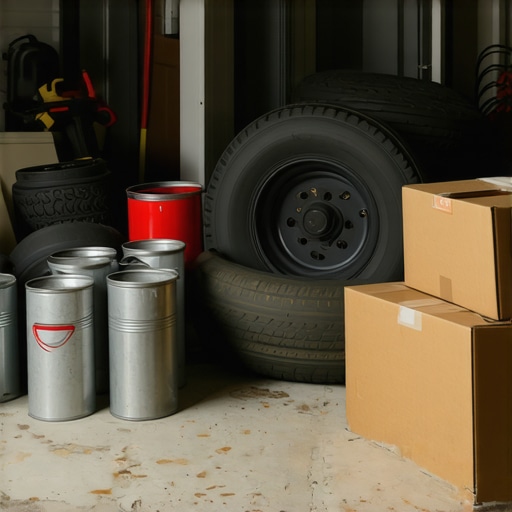
Dumpster rentals Aurora services often have strict lists of prohibited items, and tires are usually at the top. If you have a set of old tires in the back of your garage, you are sitting on a logistical time bomb. Tires do not compress. They are essentially air trapped in vulcanized rubber. In a truck or a dumpster, they represent the ultimate failure of volume optimization. They also collect water. If that water freezes inside the tire, it can cause the rubber to crack or become impossibly heavy. More importantly, tires are a massive fire risk. Once they ignite, they are almost impossible to extinguish. In the Aurora area, specific recycling centers are the only legal destination for these. You cannot hide them under a layer of general trash. I have seen drivers reject entire 20 yard containers because they spotted a tire peaking out from the debris. This leads to dry run fees and project delays. Remove them now. Clear the space for your snowblower or your vehicle. A garage is for transit, not for the long term storage of petrochemical waste.
- Lithium ion batteries (Fire hazard)
- Propane tanks (Explosion risk)
- Full paint cans (Environmental hazard)
- Unbound asbestos materials (Health risk)
- Fluorescent light tubes (Mercury content)
- Tires with rims (Recycling restriction)
The math of the load and the winter rush
Hoarder clean out Aurora projects taught me that time is the one variable you cannot recover. As the weather turns, every hauling company in the region gets slammed. People realize they cannot fit their cars in the garage. They panic. The demand for dumpster rentals Aurora spikes. The tipping fees at the landfill do not change, but the availability of labor does. Cold weather slows down the physics of the move. Muscles are stiff. Hydraulic lines on the trucks can get sluggish. If you wait until the snow is on the ground to handle your furniture removal or appliance removal, you are paying for the inconvenience. I look at a garage and see a puzzle. I see the 15 yard capacity of my truck and I see the 40 cubic yards of junk in front of me. To win, I have to be aggressive. I have to prioritize the items that will cause the most trouble in the ice. You should do the same. Clear the heavy, the toxic, and the bulky items before the ground freezes solid. It is the only way to maintain control over your property and your wallet. This is not about cleaning. This is about professional grade waste displacement.
“Modern waste management is the silent engine of urban health; without it, the city would choke on its own consumption.” – SWANA Technical Bulletin