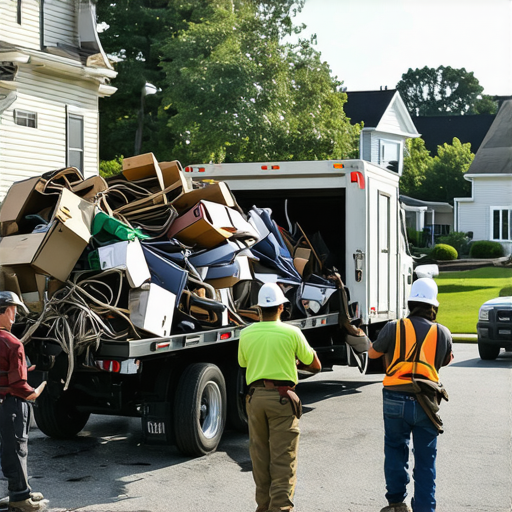
A business owner in Aurora tried to save 500 dollars by hiring a guy with a pickup truck found on a social media ad. Two weeks later, the police called him because his company confidential files and three lead-acid UPS batteries were found in a ditch near Cherry Creek State Park. Your junk is your liability until it hits the scale and the manifest is signed. I have seen the fallout of these shortcuts. I have stood in server rooms where the heat from abandoned hardware felt like a physical wall. I have seen floors buckle under the weight of archaic filing systems. This is not just hauling. This is the science of liability management and material recovery in the high-stakes tech corridor of Colorado.
The heavy risk of office clean outs in Aurora
Aurora commercial junk removal and office furniture disposal require certified waste manifests to ensure RCRA compliance. Businesses must track e-waste streams, hazardous material disposal, and heavy-load logistics to avoid municipal fines in Arapahoe County. Proper junk removal Aurora services prioritize data security and environmental safety over quick, cheap curbside pickups.
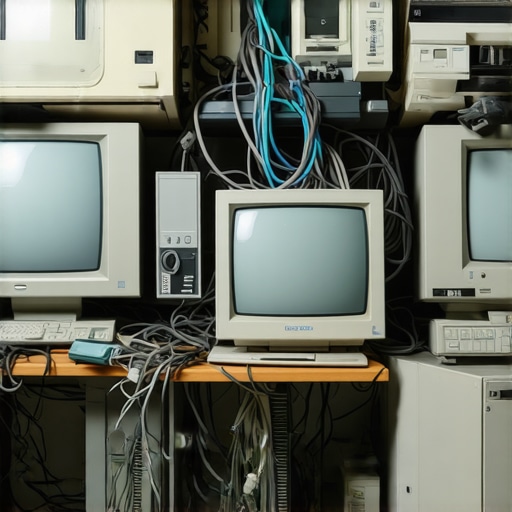
The logistics of a tech office clean out are governed by the physics of weight and the chemistry of components. When a firm in the Aurora tech sector upgrades its infrastructure, the legacy hardware becomes a massive logistical bottleneck. You are not just dealing with wood and metal. You are dealing with capacitors, mercury switches in old thermostats, and the fire risk of lithium-ion cells. The truck is a mobile containment unit. We calculate the load by the cubic yard, but the tipping fee is often dictated by the weight of the steel and the surcharge for electronic processing. A single server rack can weigh 300 pounds empty. Load ten of those into a 15-yard truck and you have already consumed a significant portion of the gross vehicle weight rating before you even touch the ergonomic chairs or the modular partitions.
“Waste is merely a resource in the wrong place; professional removal is the science of putting it back where it belongs.” – Disposal Industry Maxim
The hidden physics of high density hauling
Garage clean outs and commercial equipment removal rely on volumetric density calculations to optimize truck bed Tetris. Effective junk removal specialists use hydraulic lifts and pallet jacks to move heavy appliances and industrial shelving. Understanding cubic yard costs versus tonnage rates is the only way to maintain a profitable diversion rate in Aurora waste management.
We look at a room and see raw numbers. A standard office cubicle, when assembled, is about 80 percent air. If you throw it in the truck whole, you are paying to haul Aurora air to the landfill. We strip the fabric panels, unscrew the steel supports, and stack the desktops flat. This is the difference between three truckloads and one. The savings are passed to the client, but the physical labor is intense. The goal is always to maximize the density of the load. Every inch of wasted space in the truck is a failure of logistics. We use moving blankets for the items destined for donation, but the rest is a calculated puzzle of hard edges and heavy bases. The hydraulic fluid in the lift gate groans under the weight of a 400-pound office copier. This is the daily reality of the load.
| Material Type | Disposal Route | Hazard Level | Recovery Rate |
|---|---|---|---|
| Server Racks | Scrap Metal | Low | 98% |
| UPS Batteries | Lead-Acid Hazmat | High | 95% |
| Particle Board | Landfill | Low | 0% |
| CRT Monitors | E-Waste | High | 80% |
| Copper Cabling | Refined Metal | Low | 100% |
Local regulations and the Arapahoe County mandate
Junk Removal Aurora services must follow Arapahoe County landfill regulations and Colorado Department of Public Health guidelines. Commercial junk disposal in the 80011 zip code and surrounding areas requires legally permitted hauling for appliance removal and e-waste recycling. Failure to use licensed dump sites like the Denver Regional Landfill leads to legal exposure for the waste generator.
The city of Aurora has specific views on how commercial waste is handled. You cannot simply drag a refrigerator to the curb and expect the municipal truck to take it. The cooling units contain refrigerants that must be recovered by a certified technician. If we find a fridge in an office breakroom, we check the seal. We check the compressor. If it is old, it goes to a specialized facility. The same applies to fire extinguishers found in server rooms. These are pressurized vessels. They are not trash. They are projectiles if handled incorrectly by an amateur. We navigate the back alleys of the E-470 corridor to reach the transfer stations before the mid-day rush. Time is fuel. Fuel is cost. The logistics of the route are as important as the strength of the crew.
The technical math of disposal costs
Dumpster rentals Aurora and full-service junk removal pricing depends on tipping fees and labor hours. Furniture removal costs fluctuate based on material weight and disassembly time. Hoarder clean out Aurora projects often involve biohazard surcharges and specialized sorting protocols to manage high-volume debris effectively.
Consider the math of a 20-yard dumpster. Most people think they can fill it to the brim with concrete or heavy tech equipment. They are wrong. You will hit the weight limit long before you hit the height limit. A 20-yard container filled with old server hardware and lead-shielded cables will exceed the lifting capacity of the roll-off truck. You need a strategy. We mix the heavy items with the light, bulky items like foam padding or office chairs. This balances the load. It keeps the center of gravity low for the drive down I-225. It prevents the truck from tipping on sharp turns. Professional hauling is a constant battle against the laws of motion and the pricing structures of the local dumps.
“The Resource Conservation and Recovery Act (RCRA) creates the framework for the proper management of hazardous and non-hazardous solid waste.” – Environmental Protection Agency
Prohibited items in the industrial stream
Appliance removal and tech disposal teams cannot legally haul volatile chemicals or unsealed batteries. Aurora junk removal specialists must screen for hazardous waste like asbestos tiles or industrial solvents. Knowing the prohibited items list for Denver area landfills is a mandatory safety protocol for all commercial clean outs.
- Open containers of industrial paint or solvent
- Unprotected lithium-ion battery arrays
- Fluorescent light ballasts containing PCBs
- Pressurized gas cylinders or fire suppressants
- Biohazardous materials from medical tech testing
- Asbestos-containing materials from old office insulation
- Tires without rims in bulk quantities
The danger is real. I watched a rookie almost lose his eyebrows because a customer hid a half-full propane tank inside a pile of harmless yard waste. We do not just lift. We inspect. Every. Single. Item. In a tech office, the hazard is often the batteries. A damaged lithium battery can enter thermal runaway. It creates its own oxygen as it burns. You cannot put it out with a standard extinguisher. If that happens in the back of a truck moving at 60 miles per hour on the highway, you have a disaster. We use specialized buckets for battery transport. We tape the terminals. We follow the law because the law keeps us alive.
The heavy cost of keeping everything
Hoarder clean out Aurora and commercial warehouse clearing demonstrate the hidden costs of storage. Abandoned office equipment represents wasted square footage and increased fire risk. Aurora tech offices benefit from regular junk removal to maintain operational efficiency and safety compliance.
Space is the most expensive commodity in the Aurora business market. Why pay 25 dollars per square foot to store a broken printer from 2004? The cost of keeping junk is a silent tax on your business. We see it in every sector. The basement becomes a graveyard for things that might be useful someday. Someday never comes. Instead, the plastic degrades. The metal oxidizes. The value drops to zero while the disposal cost remains the same or increases as landfill fees rise. While most people think recycling is always better, the carbon footprint of hauling low-grade plastics 500 miles often exceeds the impact of local, high-efficiency waste-to-energy incineration. We provide the data to make the right choice. We handle the heavy lifting. We clear the path for the next generation of tech to move in.