The dangerous reality of winter waste management
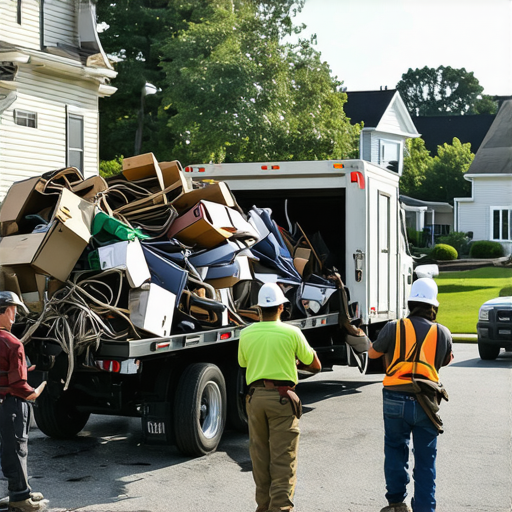
The smell of diesel and cold hydraulic fluid is the scent of a January morning in Aurora. I watched a rookie almost lose his eyebrows because a customer hid a half-full propane tank inside a pile of harmless yard waste. We do not just lift. We inspect. Every. Single. Item. That rookie learned a lesson that day about the volatility of hidden hazards. In the junk removal industry, the cold creates a false sense of security. You think the waste is dormant. It is not. It is a chemical and physical puzzle that becomes more complex as the temperature drops below freezing. When the Fox River starts to skin over with ice, the logistics of hauling twenty cubic yards of debris change. The physics of the load shift. The density of the material increases with moisture absorption. If you are planning a garage clean out or a furniture removal project during an Illinois winter, you are no longer just cleaning. You are managing a thermodynamic event. Your success depends on your ability to predict how ice, weight, and metal interact under pressure.
The frozen weight penalty
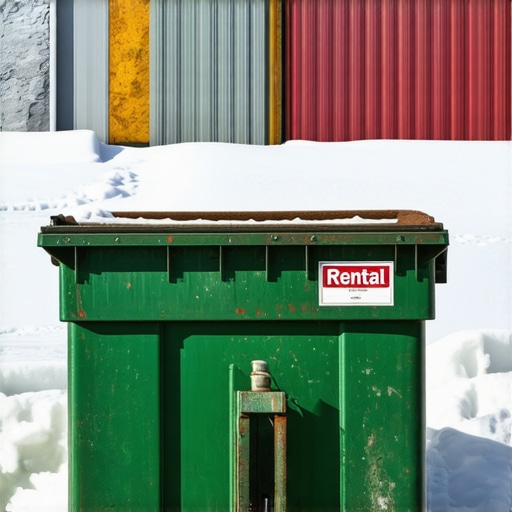
Aurora dumpster rentals during winter months require precise management of moisture because snow and ice trapped inside the container will dramatically increase the tipping fee at the scale house. Every gallon of water that freezes into your junk removal pile adds over eight pounds of dead weight. This is the first law of winter logistics. You are not just paying for the space. You are paying for the tonnage. When the snow falls on your open-top container, it filters down through the voids in the furniture removal pile and the appliance removal debris. It settles at the bottom. It turns into a solid sheet of ice. By the time the truck arrives for the haul away, you might have two tons of ice that you paid to rent and now must pay to dispose of. This is why the use of a heavy-duty tarp is not optional. It is a fiscal necessity. You must secure it with bungee cords that can withstand the high winds of the Illinois prairie. If you allow your dumpster to become an ice tray, you are throwing money into a landfill for no reason other than poor planning.
“Waste is merely a resource in the wrong place; professional removal is the science of putting it back where it belongs.” – Disposal Industry Maxim
The hydraulic failure point
Hydraulic systems on roll-off trucks face extreme mechanical stress when temperatures drop below zero in Aurora, Illinois. The fluid thickens. The seals become brittle. When we attempt to lift a thirty-yard container that is frozen to your driveway, the pressure can exceed 3,000 PSI. If the container is stuck, the truck might actually lift its front wheels off the ground. This is not just a delay. it is a structural hazard. To prevent this, you must place wooden planks under the rails of the dumpster. Do not place the steel directly on the asphalt or concrete. The thermal transfer will cause the metal to bond with the ground. Use four-by-four pressure-treated lumber. This creates an air gap. It prevents the moisture from the ground from creating a suction seal with the container. I have seen driveways torn apart because a homeowner ignored this rule. The truck winches. The container stays. The asphalt gives way. It is a logistical failure that is entirely avoidable with ten dollars worth of scrap wood.
Why your driveway is a liability
Driveway protection during a hoarder clean out Aurora project is the difference between a successful job and a property damage lawsuit. The freeze-thaw cycle makes residential concrete incredibly fragile. When a twenty-ton truck rolls over a driveway that has water trapped in its pores, the pressure creates a hydraulic ram effect. The water cannot compress, so the concrete cracks. You need to verify that your dumpster placement is on the most stable part of your property. Avoid the edges of the driveway where the support is weakest. In Aurora, the municipal bulky item schedules are often disrupted by snow, making private junk removal Aurora services more attractive, but those private trucks are heavy. You must clear a path not just for the dumpster, but for the outriggers of the truck. If the driver cannot see the ground, they cannot safely stabilize the vehicle. This is about more than convenience. It is about the structural integrity of your home infrastructure. I have seen garages shift their foundations because a heavy load was placed too close to a supporting wall on soft, winter ground.
The chemistry of Aurora winter waste
Hazardous materials like lithium-ion batteries and lead-acid cells react violently to extreme cold and subsequent compression in a junk removal Aurora truck. While most people think recycling is always better, the carbon footprint of hauling low-grade plastics 500 miles often exceeds the impact of local, high-efficiency waste-to-energy incineration. This is a hard truth of the industry. In the winter, the danger of fire is actually higher because batteries can short out more easily when they are exposed to road salt and melting ice. If you are doing an appliance removal or a garage clean out, you must isolate the electronics. Do not bury them at the bottom of the bin. The pressure of the load will crush them. The cold makes the plastic casings brittle. The result is a chemical leak or a thermal runaway. We have a strict protocol for these items. We do not touch them if they are mixed with general waste. It is a violation of the Resource Conservation and Recovery Act. Your liability does not end when the truck pulls away. If your bin causes a fire at the transfer station, the manifest leads back to your address.
| Material Category | Dry Weight (per yard) | Frozen/Saturated Weight | Increase Percentage |
|---|---|---|---|
| Drywall and Plaster | 500 lbs | 920 lbs | 84% |
| Mixed Yard Waste | 300 lbs | 780 lbs | 160% |
| Old Carpeting | 150 lbs | 620 lbs | 313% |
| Lumber Scraps | 400 lbs | 650 lbs | 62% |
A survival guide for the Aurora cleanup
Professional junk removal requires a systematic approach to ensure safety and compliance with local Aurora ordinances regarding waste disposal. The city has specific rules about what can enter the waste stream, especially during the winter when processing facilities are at capacity. You must be disciplined. You must be methodical. Follow this checklist to ensure your winter project does not turn into a legal or financial nightmare.
- Clear all snow within a ten-foot radius of the container placement area.
- Salt the approach path to prevent the truck from sliding during the pickup.
- Ensure the tarp is peaked like a tent to allow water runoff rather than pooling.
- Inspect all furniture for trapped moisture before loading to save on weight.
- Mark the boundaries of the dumpster with high-visibility flags for the snowplow drivers.
- Separate metal items for potential recovery to reduce landfill tipping fees.
The heavy cost of keeping everything
Hoarding situations in Aurora become life-threatening during the winter months because the thermal mass of the junk prevents proper heating of the home. I once cleared a house where the junk was not just stuff. It was a structural hazard. The floor joists were bowing under the weight of 40 years of newspapers that had absorbed ten years of basement humidity. The cold makes the paper dense. It makes the wood brittle. When we start a hoarder clean out Aurora project in sub-zero temps, we have to move slowly. The dust is frozen. The mold is dormant but still toxic. We use industrial respirators. We use heavy-duty gloves. The logistics manager in me looks at a room full of clutter and sees a fire trap. If a space heater tipped over in that environment, the response time for the Aurora Fire Department would not matter. The fuel load is too high. Removing that junk is not just about aesthetics. It is a life-safety intervention. It is about restoring the ventilation and the heating capacity of the structure. We focus on the backdoor logistics of disposal to get the material out fast before the next storm hits.
“The goal of waste management is not to hide the trash but to reconcile our consumption with the limits of our environment.” – Solid Waste Association of North America (SWANA)
The logistical Tetris of frozen loads
The air space in a truck is the enemy of a logistics manager. I hate wasted volume. When you are loading a dumpster for a furniture removal task in the winter, the items do not nest well. They are rigid. They are covered in ice. You must break them down. If you throw a whole sofa into the bin, you are paying for the air trapped inside it. Smash it. Disassemble the frames. Flatten the boxes. The goal is maximum density. In the summer, you have some give. In the winter, you have none. The metal walls of the dumpster contract. The material expands as it freezes. If you overfill the container, the driver will refuse the haul. It is a safety violation. The load must be level. In Aurora, the wind on the way to the landfill can reach forty miles per hour. Anything sitting above the rim becomes a projectile. We do not take risks with projectiles. We leave the bin and charge a trip fee. Be smart. Load it low. Load it tight. Keep the weight balanced toward the front of the bin to help the truck’s traction. Your junk is your responsibility until it hits the scale. Make sure it gets there safely.