The physics of waste and the 15 yard reality
The smell of hydraulic fluid and fresh diesel marks the start of every legitimate job in Aurora. I have spent twenty five years watching homeowners underestimate the volume of their own lives. A business owner in the Fox Valley area once tried to save five hundred dollars by hiring a guy with a rusted pickup truck from a social media ad. Two weeks later, the Aurora police department called him because his company confidential files were found in a ditch near the edge of town. Your junk is your legal liability until it hits the scale and you receive a certified weight ticket. If you think a 15 yard bin is just a metal box, you have already lost the logistical war. This is a game of cubic density and weight limits that can break a driveway if handled by amateurs.
The cubic reality of a 15 yard container
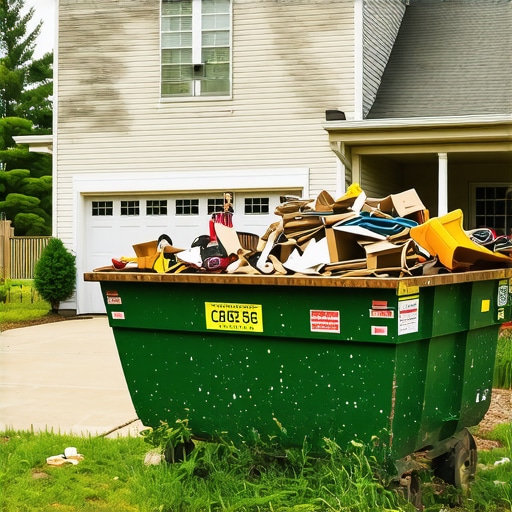
A 15 yard dumpster typically measures twelve feet long, eight feet wide, and four and a half feet high. This volume represents approximately seventy five to ninety large contractor trash bags of debris. It is the gold standard for medium scale residential projects like basement clean outs or small kitchen remodels. In the waste industry, we call this the sweet spot for weight restricted neighborhoods. You are looking at a footprint that fits comfortably in a standard Aurora driveway without blocking the sidewalk or violating local municipal codes. However, the volume is only half the story. You must account for the stowage factor of the material. A sofa does not pack like a pile of drywall. One leaves massive air pockets while the other creates a dense, heavy slab that can quickly exceed the four ton weight limit commonly associated with these rentals.
“Waste is merely a resource in the wrong place; professional removal is the science of putting it back where it belongs.” – Disposal Industry Maxim
The hidden density of a kitchen demolition
Kitchen renovations generate a mix of high volume low weight items and low volume high weight materials that challenge a 15 yard bin. Cabinets are notorious for consuming massive amounts of air space if they are not smashed flat before loading into the container. When you pull out old oak cabinets, they occupy the same space in the dumpster that they did on your wall. If you do not use a sledgehammer to break them into flat planes, you will find your 15 yard rental full before you even touch the flooring. Then comes the tile. Ceramic floor tile and the associated cement board or mortar bed are deceptively heavy. A single square foot of tile and thinset can weigh five pounds. If you are stripping a 200 square foot kitchen, that is 1,000 pounds of weight just in the floor. A 15 yard bin can handle it, but only if you balance the load properly to avoid a lopsided lift that could tip the roll off truck during pick up.
Aurora disposal laws and your legal liability
Local ordinances in Aurora and the broader Illinois waste management system require specific handling of hazardous materials and electronic waste. You cannot simply throw an old microwave or a lead acid battery into a general debris box without risking heavy fines. The city expects residents to follow the Resource Conservation and Recovery Act standards for hazardous waste. When you hire a junk removal service or rent a dumpster, the manifest must reflect the contents accurately. If a load is rejected at the transfer station because you hid a propane tank under some old carpet, the extra handling fees and environmental surcharges will triple your initial quote. Professionalism in this industry means knowing what stays on the curb and what goes into the steel.
| Material Type | Weight per Cubic Yard | 15 Yard Bin Capacity |
|---|---|---|
| Loose Drywall | 500 lbs | 100% Volume |
| Demolition Debris | 800 lbs | 80% Volume |
| Concrete or Brick | 3000 lbs | 20% Volume |
| Household Furniture | 250 lbs | 100% Volume |
The science of cubing out a truck
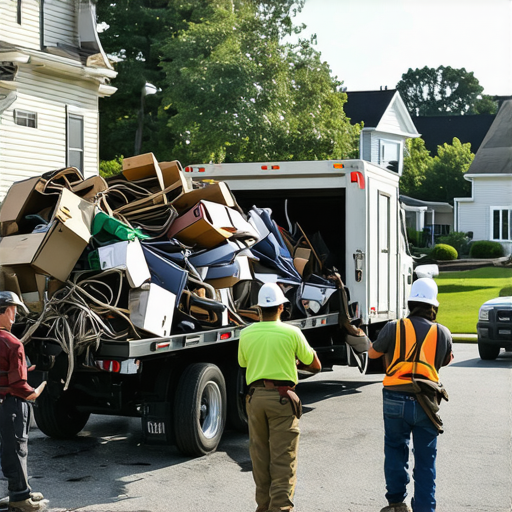
Cubing out refers to the process of filling a container to its maximum volume before it hits its weight capacity. For household junk removal in Aurora, achieving a tight pack is the only way to ensure you are getting your money worth. Most people throw items in randomly. A veteran loader sees the dumpster as a Tetris board. We place the flat items like plywood and doors on the bottom to create a level base. Heavy appliances go in the middle, positioned over the axles of the trailer if it is a junk removal truck. The small gaps are filled with bagged trash or loose debris. If you see daylight between your items in the bin, you are paying to haul Aurora air. Air is expensive. Density is efficiency.
“Landfill diversion requires precise material segregation at the source to ensure heavy metals do not leach into the local groundwater table.” – Solid Waste Association of North America Guidelines
Why your cheap hauler is a legal time bomb
Unlicensed haulers often avoid tipping fees by dumping in rural areas or behind abandoned warehouses, leaving the original owner of the junk legally responsible. If your old refrigerator is found in a field with the serial number intact, the EPA and local law enforcement will track it back to you. It happens every week in the suburbs. A homeowner pays cash to a guy with a trailer, thinking the problem is gone. But that guy does not have an account at the local transfer station. He does not want to pay the sixty dollar per ton gate fee. So he dumps it. Professional junk removal Aurora services provide a chain of custody. We provide a receipt. We provide peace of mind that your waste is being processed at a licensed facility where materials like steel, aluminum, and copper are diverted for recovery.
Items your hauler cannot legally touch
- Wet cans of oil based paint or stains
- Propane cylinders even if they feel empty
- Lead acid automotive batteries
- Tires still mounted on metal rims
- Large quantities of household chemicals or pesticides
- Industrial solvents or flammable liquids
- Asbestos containing insulation or floor tiles
While many people believe that recycling is always the best environmental choice, the reality is more complex. The carbon footprint of hauling low grade plastics five hundred miles to a specialized plant often exceeds the environmental impact of local, high efficiency waste to energy incineration. In the Aurora region, using local transfer stations that prioritize metal recovery and high BTU waste for energy plants is often the more sustainable path. We focus on the math, not the optics. Junk removal is a hard, physical science that requires an understanding of logistics and local law. Whether it is a hoarder clean out Aurora or a simple garage refresh, the volume must be respected. The 15 yard bin is a tool. Use it with precision or prepare to pay for the overflow.
This article really highlights how crucial proper planning is when renting a dumpster. I remember one project where I underestimated the weight of drywall and ended up with an overfilled bin, which cost me extra. The point about cubic density truly resonates—it’s not just about filling space but maximizing efficiency to avoid overspending. I’ve also learned that breaking down materials like cabinets and tiles into flat pieces makes a big difference in how much you can fit. The legal liabilities involved with improper disposal are eye-opening; it’s a reminder to always go with licensed services rather than trying to cut costs by illegal dumping. I’d be interested to hear from others—what’s the most unexpected challenge you’ve faced when renting a dumpster for a renovation? Also, do you have tips on how to better estimate the right size for differing materials? It’s clear that understanding local laws and material specifics can save a lot of headaches and money in the long run.
This article hits on a lot of practical realities that often get overlooked when homeowners jump into a renovation project. I especially agree with the emphasis on cubic density and the importance of breaking down bulky furniture and cabinets beforehand to maximize space and stay within weight limits. I’ve seen friends run into trouble because they didn’t consider how much drywall or tile could rapidly add up in weight, and it’s a good reminder to plan smartly. Plus, the legal liabilities can be a real minefield—using licensed services isn’t just about legality but also peace of mind that your waste is handled responsibly. I’ve always wondered, what’s the best way to estimate the weight of mixed debris like drywall, tiles, and furniture before renting a bin? Do others have experiences with overspending because of underestimating? Sharing strategies on that could really help folks avoid surprises and extra costs.
Reading this post really drove home how critical it is to understand not just the volume but also the weight of debris when planning a cleanup or renovation in Aurora. I’ve seen friends order what seemed like a perfect 15-yard bin only to find it full before they even started loading because they underestimated heavy materials like ceramic tiles and concrete. The part about cubing out the truck and the importance of strategic packing tactics really hit home. Personally, I’ve found that breaking down furniture and lightweight materials into flat, compact pieces makes a huge difference in maximizing the space. The legal considerations are just as vital—using licensed services is definitely worth the peace of mind, especially given the fines associated with improper disposal. I’m curious, how does everyone else estimate the weight of mixed debris beforehand? Do you have specific tips or tools you’ve found reliable in avoiding unexpected costs? It seems like smart planning around these factors really saves money and stress in the long run.